French director Jonathan Millet's new film, Ghost Trail, draws on the real-life work of a secret cell of Syrian refugees who hunt down collaborators of Bashar al-Assad. The film follows a Syrian refugee in Strasbourg as he tracks the man who tortured him in Sednaya prison, Damascus. Millet, who previously made documentaries, shifted to fiction after meeting the vigilante group via Zoom with their cameras off. He realised a documentary was impossible, but fiction allowed him to use sound, actors and recreated scenes to evoke the sensory experiences the group described.
The film unfolds like a spy movie, with the protagonist Hamid obsessively shadowing a university professor he believes to be his former tormentor. Millet deliberately avoids showing torture on screen, believing that off-screen images are more deeply anchored in viewers' fears. The film's power lies in what is hidden in plain sight, reminiscent of Michael Haneke's Hidden. Millet aimed to make history and violence felt through the senses, using language and body language to convey invisible undercurrents.
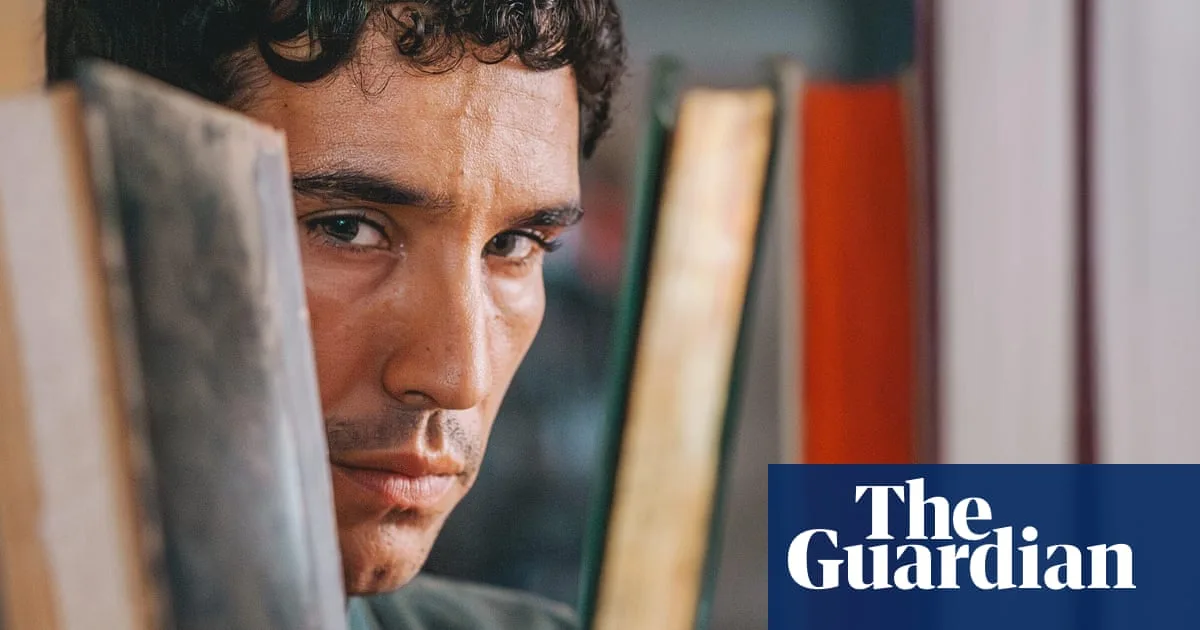
Lead actor Adam Bessa prepared method-style for his role, sleeping little and listening to accounts of tortured Syrian prisoners. He and Millet defined Hamid's body language carefully, such as never sitting with his back against a chair due to his scars. The film culminates in a 12-minute cafe confrontation scene between Hamid and his presumed torturer, where language choice creates a power dynamic. The real vigilante group, based in Germany, has made arrests in France, Germany and Sweden, and the film explores their moral dilemmas, including whether to kill perpetrators or hand them to authorities.