A chance discovery suggests a Scots-written film may have beaten The Jazz Singer to the title of world's first talkie by a full year. The 46-minute feature, Till the Bells Ring, premiered in Edinburgh in October 1926, a year before the Hollywood film starring Al Jolson.
Discovery by film historian
The breakthrough was made by historian Marc David Jacobs, who was researching a book on early British sound films. He found that Till the Bells Ring featured spoken parts and synchronised sound throughout, making it a candidate for the first feature-length talkie.
Jacobs said: "This was the start of what we would consider modern film. It was a completely new art form at the time, and if it had been taken up in Britain there could have been a real alternative history of cinema where the Americans didn't take over and get such a lead on things."
A distinctly Scottish production
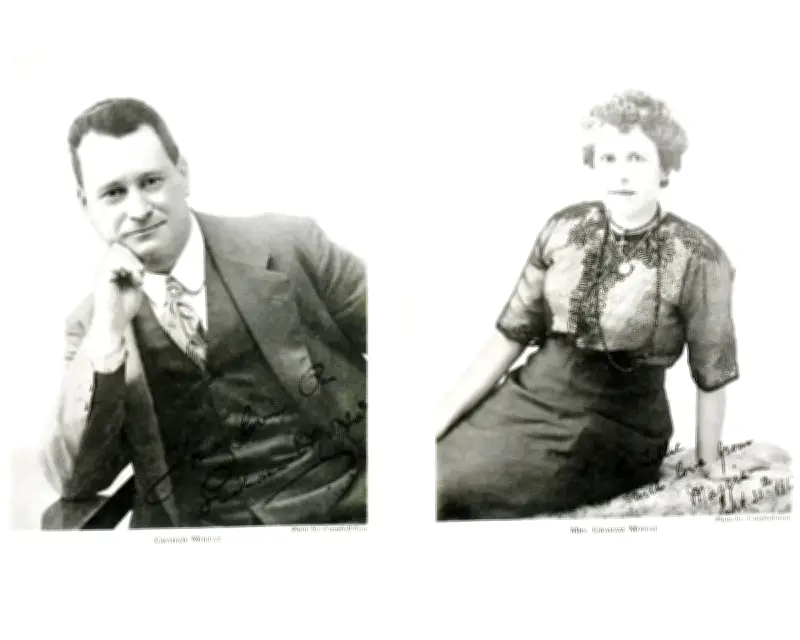
The film was created by Scottish playwright Graham Moffat and was a domestic comedy set in Glasgow. It was performed by Moffat's six-part touring company, including his wife Margaret and daughter Winifred, in what he called "lowland braid Scots".
Billed as a "super talking picture … of Victorian family life", it was heralded as a cinematic milestone at its premiere. The Edinburgh Evening News wrote: "Even America has never attempted such a work … So perfect was the synchronisation between the image on screen and the broad Scots dialogue spoken by the image, that one might quite well have been listening to a legitimate stage version of the comedy."
Neglect and survival
Jacobs said the film was quickly forgotten, fitting into a larger narrative of neglected British cinema history. There is no evidence it was screened publicly after its week-long run at Edinburgh's Poole's Synod Hall. Moffat died in 1951 without making another film.
Two of the film's reels, comprising more than half its length, survive in the BFI National Archives but have never been screened since their acquisition over 50 years ago. With the film's centenary this year, Jacobs hopes that will change.
He said: "I hope this becomes more than just a Scottish story, and that archives around the world might be able to take a look and maybe find the missing reel. But this is a film that had its origins as a stage play and the manuscripts have survived, so you can imagine perhaps playing those surviving reels and then performing that missing part on stage."
Jacobs added: "It would be an amazing moment to recreate this important landmark in world cinema history. But beyond that, hopefully it spurs people on to reconsider British cinema history as a whole and think: if this has been sitting around for 100 years, what else might be out there?"