Neon's Unprecedented 6-Year Palme d'Or Streak at Cannes Continues
Neon's 6-Year Palme d'Or Streak at Cannes Continues

Neon, the independent film distributor that has won the Palme d'Or at the Cannes Film Festival for six consecutive years, enters this year's festival as an unlikely heavyweight. The company, founded in 2017 with just 60 employees, has backed more than a quarter of the 22 films in competition for the prestigious award.

A Remarkable Streak

Neon co-founder and chief Tom Quinn has watched each of the last six Palme d'Or ceremonies from the same spot: gathered with colleagues around a laptop on the breakfast tables at his Cannes hotel. "I think we upgraded a couple years ago and connected the computer to a TV," Quinn says. "I wouldn't want to do it any different." This routine has accompanied an unparalleled run of success, as Neon has won the Palme d'Or every year since 2020, a feat unmatched by any other studio in the history of the festival.

"No one ever believes it, but we've never gone to Cannes thinking we were going to win the Palme d'Or," Quinn says. "It's been a surprise every single year."

Wide Pickt banner — collaborative shopping lists app for Telegram, phone mockup with grocery list

Neon's Cannes 2026 Slate

For the 79th Cannes Film Festival, which begins Tuesday, Neon has nine films in total, including several of the most hotly anticipated titles in competition. These include Japanese filmmaker Ryusuke Hamaguchi's All of a Sudden, Korean auteur Na Hong-jin's Hope, and James Gray's Paper Tiger. All were acquired before receiving their Cannes invitations, Quinn notes.

"I hate to break it to everyone but don't hate us for our good taste," says Quinn. "Who's chasing who here? Thierry (Frémaux, Cannes artistic director) is going to make up his own mind and we're going to make up our own mind. It just so happens that we agree."

Big Studios Absent, Neon Everywhere

When Frémaux announced this year's lineup, he lamented the near absence of Hollywood's major studios. "When the studios are less present in Cannes, they are less present full stop," he said. While studio releases like Warner Bros.' One Battle After Another and Universal's upcoming The Odyssey can be major Oscar players, much of the most original cinema of the past decade has come from specialty labels like Neon and A24.

Both companies have risen to prominence at international film festivals and the Oscars by focusing on filmmakers rather than intellectual property. "It's not rocket science and there's nothing secret about it," says Quinn. "It's pursuing the directors and films we want to be a part of."

Neon's Anti-Algorithm Approach

Quinn previously worked at Samuel Goldwyn Films and Magnolia Pictures before launching Radius with Harvey Weinstein in 2011. At Neon, he expected A24 to be his chief competitor but often found himself bidding against Netflix for films like I, Tonya and Portrait of a Lady on Fire. "We did not outbid them but we out-passioned them," Quinn says.

Neon occasionally produces films but primarily focuses on distributing in North America, often with awards campaigns. Its Palme d'Or winners include It Was Just an Accident, Anora, Anatomy of a Fall, Triangle of Sadness, Titane, and Parasite. Some were acquired at Cannes; others, like Parasite, were boarded at the script stage. Quinn signed on for Titane even though the script made no sense to him, simply because he believed in writer-director Julia Ducournau.

Breaking Subtitle Barriers

Parasite famously became the first non-English-language film to win the best picture Oscar, breaking what director Bong Joon Ho called the "1-inch-tall barrier of subtitles." Neon, majority-owned by Dan Friedkin's 30West, has proven there is a larger audience for daring, often international cinema than many expected. Its biggest box office hit to date is Osgood Perkins' Longlegs with $75 million.

Quinn says Neon is "agnostic" about where its titles come from, and the company's small size allows each movie a bespoke rollout. By year's end, Neon will gather its releases into a DVD box set, even though many voters no longer have DVD players.

Pickt after-article banner — collaborative shopping lists app with family illustration

"Audiences are desperate, desperate for creativity," Quinn says. "Films are not packaged goods. The idea that this art form that is so subjective is treated as a P&L (profit and loss statement), I don't know how you can make good creative decisions when you're dealing with billions of debt looming at your door."

Neon's Full Cannes Lineup

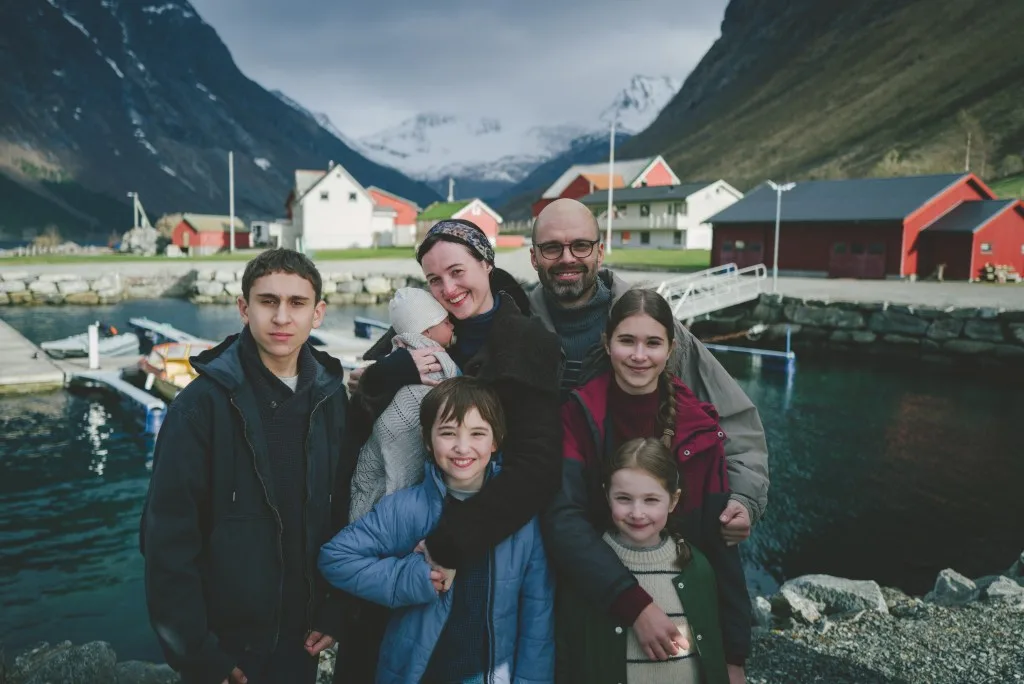
Neon's Cannes slate is typically wide-ranging. In addition to the earlier mentioned titles, it includes Romanian filmmaker Cristian Mungiu's Fjord with Sebastian Stan and Renate Reinsve; Japanese auteur Hirokazu Kore-eda's Sheep in the Box; and The Unknown by Anatomy of a Fall co-writer Arthur Harari. Also featured are Nicolas Winding Refn's Her Private Hell, Arie and Chuko Esiri's Clarissa, and the already lauded documentary Once Upon a Time in Harlem by William and David Greaves.

Some films that escaped Neon still rankle Quinn, particularly Kore-eda's Shoplifters, which won the Palme in 2018. "The idea that we would have won seven Palmes in a row is completely outlandish," Quinn says. "But that's a huge regret."