Melania Documentary Producer Denies Wrongdoing in Music Rights Dispute
Radiohead guitarist Jonny Greenwood and acclaimed director Paul Thomas Anderson have formally requested the removal of music from the 2017 film Phantom Thread from the documentary Melania. This legal demand has sparked a public dispute over music licensing and contractual obligations in the film industry.
Alleged Breach of Composer Agreement
Jonny Greenwood alleges a significant breach of his composer agreement, stating that film distributor Universal failed to consult him on the third-party use of his score in the documentary. Greenwood, who composed the original music for Phantom Thread, maintains that proper protocol was not followed when his work was incorporated into the Melania Trump documentary.
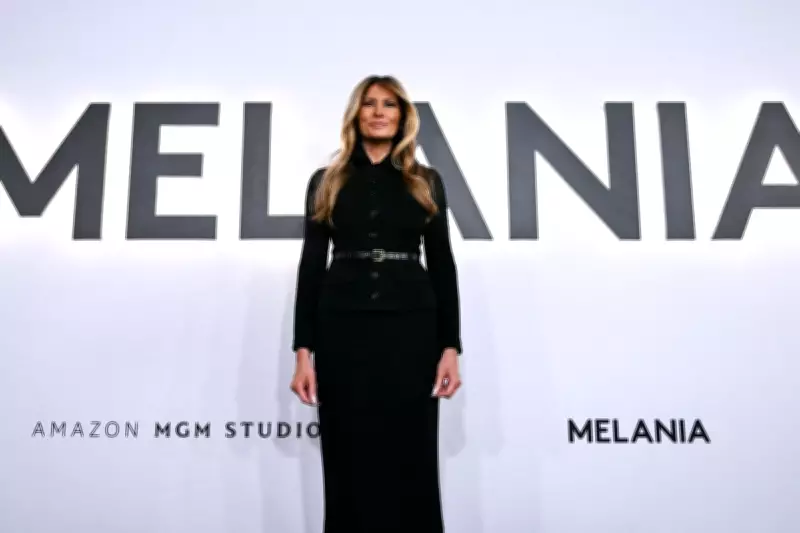
The documentary, directed by Brett Ratner, follows Melania Trump in the lead-up to her husband's second presidential inauguration. Despite being critically panned by reviewers, the film has exceeded box office projections, earning an impressive $13.35 million domestically.

Producer's Firm Response
Marc Beckman, producer of Melania, has issued a strong denial of any wrongdoing in response to Greenwood's request. Beckman asserts that the production has legal rights and permission for all music used in the documentary, with fully executed contracts in place.
"We followed protocol," Beckman stated emphatically, defending the production's adherence to industry standards and legal requirements. The producer maintains that all necessary permissions were obtained through proper channels before including the Phantom Thread music in the documentary.
Financial Context and Industry Implications
Despite the documentary's box office success, industry analysts note it is unlikely to recoup Amazon MGM's substantial acquisition and marketing costs. The music rights dispute adds another layer of complexity to the film's financial picture and raises questions about music licensing practices in documentary filmmaking.
This case highlights the intricate relationship between composers, distributors, and production companies in the modern film industry. The outcome could potentially set precedents for how music from feature films is licensed for use in documentary projects moving forward.
As the dispute continues, both sides appear firmly entrenched in their positions, with Greenwood seeking removal of his music and Beckman maintaining that all legal requirements were properly fulfilled during the production process.