Ken Loach Revisits I, Daniel Blake: Food Banks Now an Institution
In 2016, director Ken Loach released I, Daniel Blake, a film that starkly depicted the cruelty of the welfare system and the rise of food poverty in Britain. Winning the Cannes Palme d'Or, the movie resonated deeply with audiences, exposing a mean-spirited era where vulnerable individuals faced punishment rather than support. Loach recently reflected on the film, noting that while it once questioned the tolerability of food banks, they have now become an entrenched institution in society.
The Real Stories Behind the Film
Loach and screenwriter Paul Laverty conducted detailed research for the script, drawing from real-life experiences of poverty. Laverty visited a young man living in a bare flat with only a fridge and a mattress. Upon asking what was inside the fridge, they found it empty, and the man revealed he had not eaten for two or three days. This encounter, among others, informed the film's authentic portrayal of hardship.
The character of Daniel Blake, played by Dave Johns, embodies the struggle of those who want to work but are tripped up by a punitive system. Loach emphasized that the film challenges the notion that poverty is the fault of the poor, instead highlighting systemic failures.
The Iconic Food Bank Scene
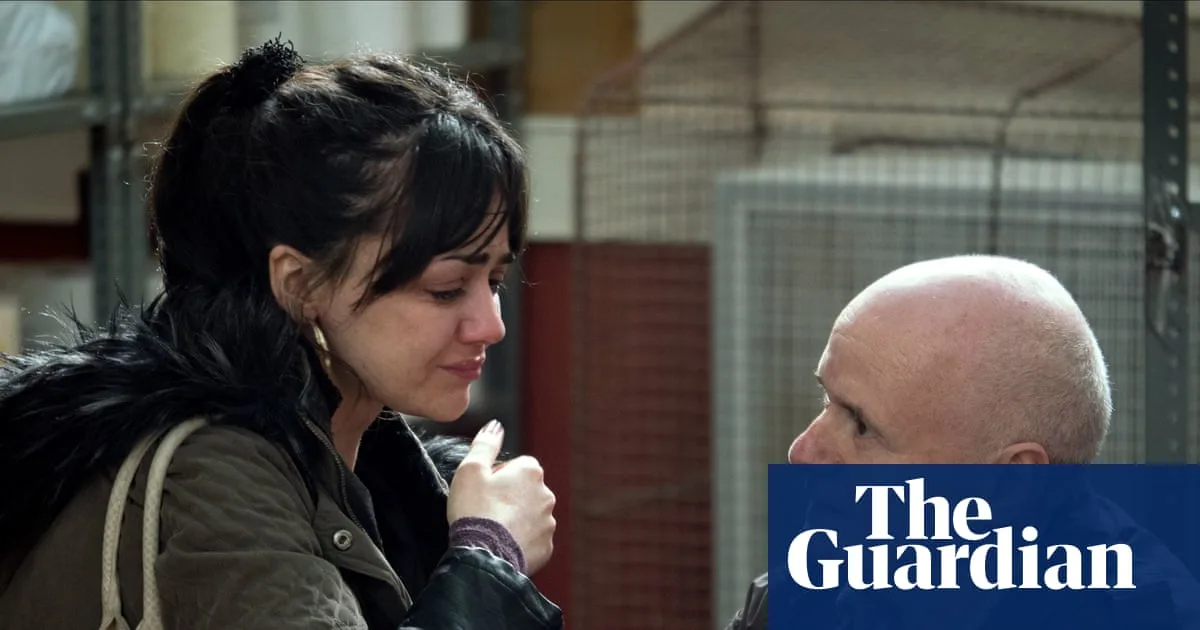
One of the most memorable moments in I, Daniel Blake is when Katie, portrayed by Hayley Squires, desperately eats cold baked beans from a tin at a food bank. This scene was based on a true story Laverty heard at a Glasgow food bank. Loach aimed to make it an emotional high point, but to preserve its rawness, he kept details minimal, sharing them only with Squires.
The scene was shot twice, with the first take used due to its intense authenticity. Squires prepared by slightly reducing her food intake beforehand to understand the physical and mental effects of hunger, though this was not requested by the production. She also visited a food bank to speak with users, feeling a deep responsibility to portray the truth.
Cast Insights and Filming Process
Hayley Squires was cast for her authenticity, warmth, and ability to connect with audiences. During auditions in Newcastle, she and Johns improvised based on Loach's guidance rather than reading from a script, which initially left her doubting her performance. The filming process was chronological, with pages provided only a day or two in advance, requiring the cast to fully immerse themselves in their roles.
Squires described the experience as being part of a close-knit gang for six weeks. For the food bank scene, she and Loach shared a whispered walk-through, creating a sense of shared secrecy that contributed to the scene's powerful realism. The cinematography by Robbie Ryan was praised for fostering empathy among viewers.
Political Reactions and Lasting Impact
Upon the film's release, Tory minister Damian Green dismissed it as a work of fiction. Loach countered that while the characters are fictional, the stories and essence are true, reflecting realities that some in power preferred to ignore. Today, Loach observes that food banks have become normalized, an outcome he finds extraordinary and troubling, as it signifies societal acceptance of charity-dependent survival.
I, Daniel Blake continues to spark discussions about poverty, benefits, and social justice, underscoring the ongoing relevance of its message in contemporary Britain.