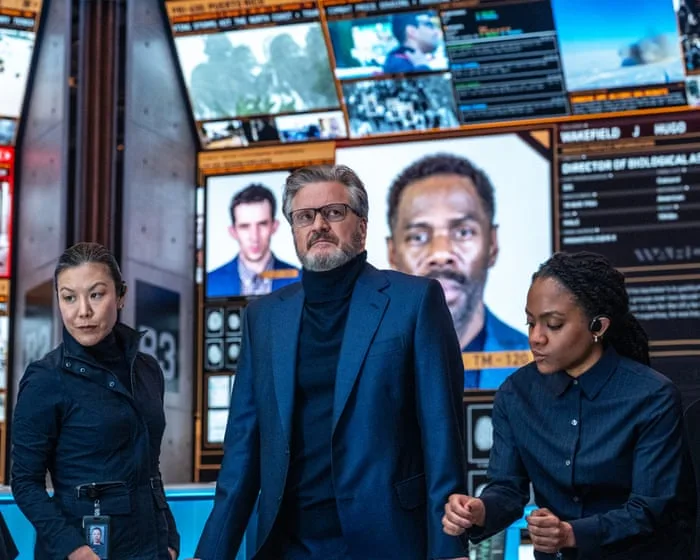
For many decades, Hollywood has been the primary architect of how Americans visualise extraterrestrial beings, crafting enduring images of little green men with oversized eyes and prominent heads. This cinematic tradition has profoundly influenced public imagination and could soon intersect with reality if government agencies release classified files on UFOs and extraterrestrials, as advocated by President Donald Trump in February.
The Evolution of Alien Cinema
Long before zombies dominated horror screens, aliens from outer space reigned supreme in movie theatres, drive-ins, and late-night television creature features. The science fiction genre has meticulously shaped societal conceptions of intelligent life beyond Earth, exploring themes ranging from hostile invasions to benevolent warnings and peaceful contact.
Academic Perspectives on Sci-Fi Influence
Duke University professor Priscilla Wald, who instructs a course on science fiction and film, observes that these narratives condition public expectations. "Whether it's invasion stories or aliens coming to caution us about our destructive paths or simply attempting to make contact and assist humanity, Hollywood has fundamentally prepared the populace for potential revelations," Wald explains.
This preparation may prove crucial as political figures engage with the topic. President Trump's social media announcement followed former President Barack Obama's podcast remarks suggesting alien existence, though Obama later clarified he lacked evidence of contact while acknowledging the statistical likelihood of extraterrestrial life given the universe's vastness.
Cinematic Landmarks and Cultural Impact
From the Pennsylvania cornfield in 2002's "Signs" to Wyoming's Devil's Tower in 1977's "Close Encounters of the Third Kind" and the Central American jungle setting of 1987's "Predator," films have positioned aliens virtually everywhere. Retired Navy Rear Admiral Timothy Gallaudet remarks, "Hollywood has essentially been acclimatising the public for this moment. I believe people can manage it, though it naturally depends on what specific information the government discloses."
The Roswell Effect and Early Cinema
Hollywood rapidly capitalised on public fascination following the 1947 Roswell incident, where debris discovered in New Mexico was initially identified as a flying disc before authorities retracted the claim, attributing it to a weather balloon. Approximately three years post-Roswell, "The Flying Saucer" debuted in theatres, spawning numerous low-budget productions while enduring classics like 1951's "The Day the Earth Stood Still" continued to inspire science fiction enthusiasts.
Wald notes, "The proliferation of alien films truly commenced in the 1950s United States. In 'The Day the Earth Stood Still,' aliens are compassionate entities descending to warn humanity post-nuclear war, indicating we're generating cosmic disturbances requiring intervention."
Contrasting Portrayals and Public Readiness
Conversely, many films depict extraterrestrial visitors with malicious agendas—seeking human extermination, planetary domination, or even considering humans as sustenance. Wald anticipates diverse public reactions to confirmed alien contact: "There would likely be enthusiastic welcomes alongside individuals retreating to cellars stockpiled with canned goods."
Documentaries and Contemporary Productions
A surge of documentaries, including 2025's "The Age of Disclosure," examines governmental awareness of non-human intelligent life and attempts to reverse-engineer alien technology. Acclaimed director Steven Spielberg, responsible for blockbusters like "E.T. The Extraterrestrial" and "Close Encounters of the Third Kind," probes public psyche with his upcoming film "Disclosure Day," posing the provocative question: "If you discovered we weren't alone, if someone demonstrated and proved it, would that terrify you?"
Wald reflects on this underlying fear: "It appears to mirror humanity itself—we project our own behaviours onto aliens. When they arrive as conquerors exhibiting violence, whom does that resemble? It resembles us."