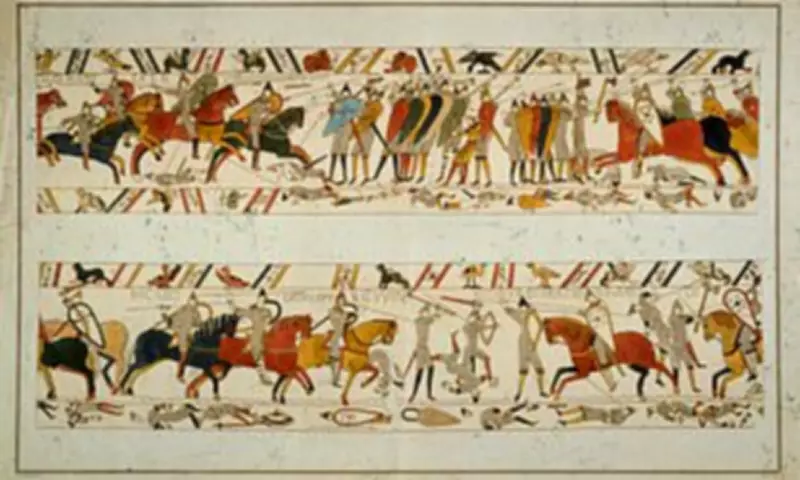
The Bayeux Tapestry, a 230-foot-long medieval masterpiece depicting the Norman Conquest of England in 1066, will be displayed in Britain for the first time in its 1,000-year history. However, visitors will have to pay up to £33 for a timed viewing slot at the British Museum's upcoming exhibition, which the institution is billing as a 'blockbuster' cultural event.
Exhibition Details and Pricing
Scheduled to open in September, the exhibition aims to attract over a million visitors. Tickets will go on sale in July, with peak-time 40-minute viewing slots costing up to £9 more than the museum's previous premium exhibitions. Prices range from £16.50 to £33, while families can bring children under 16 free of charge. In contrast, tickets at the Bayeux Museum in Normandy, which closed for renovation last year, cost no more than 12 euros (£10).
Preservation Concerns
The tapestry, which has weakened over time from being hung vertically, will be displayed flat to minimize stress. Despite conservation efforts, more than 77,000 people have signed a petition opposing its move from France. Artist David Hockney called the transport 'madness,' stating that 'some things are too precious to take a risk with.' Dr. Nicholas Cullinan, director of the British Museum, acknowledged these concerns but assured that the museum's conservation team is expert in handling such materials.

Historical Significance
The Bayeux Tapestry is one of the few surviving visual records of the Norman Conquest. It tells the story of William, Duke of Normandy's invasion of England and his victory over King Harold at the Battle of Hastings in 1066. Dating from the late 11th century, the work is believed to have been commissioned by Bishop Odo of Bayeux, William's half-brother, and likely made in England. The tapestry features 58 scenes, including Harold's journey to Normandy, his oath to William, the appearance of Halley's Comet, and the Battle of Hastings where Harold is said to have been killed by an arrow to the eye.
The exhibition will also include digital elements and an illustrated manuscript that may have been used by the tapestry's creators. Dr. Cullinan emphasized the museum's commitment to ensuring as many people as possible can see this historic loan.