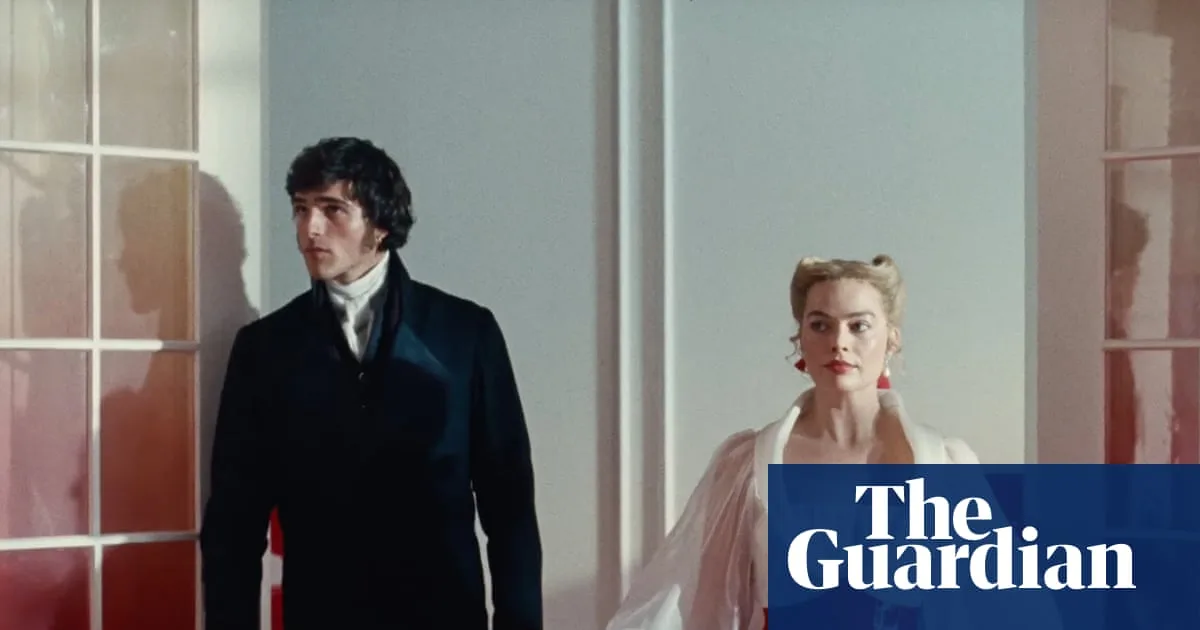
Emerald Fennell's upcoming adaptation of Wuthering Heights has sparked debate after its trailer branded the story 'the greatest love story of all time'. Critics argue this description fundamentally misrepresents Emily Brontë's 1847 novel, which is far darker and more disturbing than any romantic tale.
The novel's plot involves Cathy rejecting Heathcliff out of snobbery, after which he becomes a violent abuser. He torments Cathy's brother Hindley, tricks her sister-in-law into marriage, beats her, hangs her dog, and later forces his own son and Cathy's daughter to marry. The story also includes a ghost girl whose wrists are slashed with broken glass.
Contemporary reviews were scathing: Graham's Magazine called it 'vulgar depravity and unnatural horrors', while The Spectator found it 'coarse and disagreeable'. The novel has proven notoriously difficult to adapt faithfully; most film versions, including the 1939 classic, cut the story short after Cathy's death, omitting the second half's brutality.
Fennell's version, starring Margot Robbie and Jacob Elordi, reportedly includes a scene of a man being beaten that test viewers found 'aggressively provocative'. Whether the film will fully embrace Brontë's unflinching vision remains to be seen.