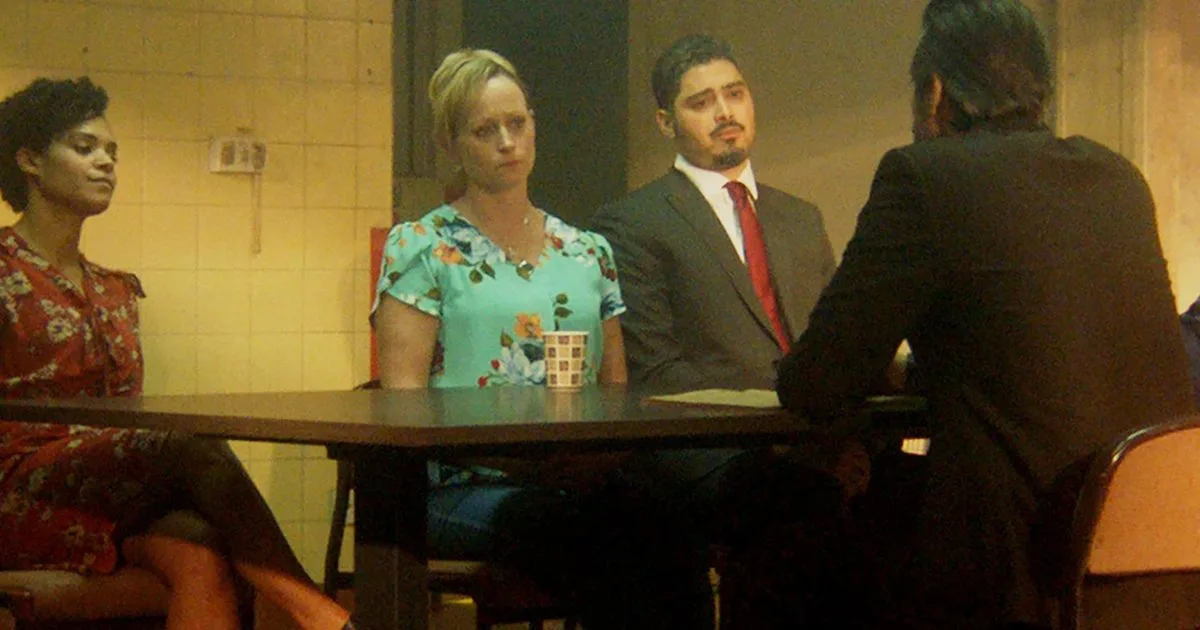
Channel 5's latest true-crime drama, 'Under Suspicion: Kate McCann', starring Laura Bayston as Kate McCann, rarely leaves the interrogation room. The question is whether this is a stylistic choice or a cost-saving necessity.
The drama revisits the moment when Kate McCann was formally declared an 'arguida' (suspect) in the disappearance of her daughter Madeleine in 2007. Rather than depicting the events leading up to the discovery of Madeleine's empty bed, it begins four months into the investigation, with Kate summoned for another meeting with Portuguese detectives.
Inspectors Joao Carlos (Hugo Nicolau) and Ricardo Paiva (Miguel Freire) are no longer searching for an outside culprit but attempting to implicate Kate herself. The interviews, crafted from investigators' notes as the sessions were not audio recorded, escalate rapidly from procedural to accusatory.
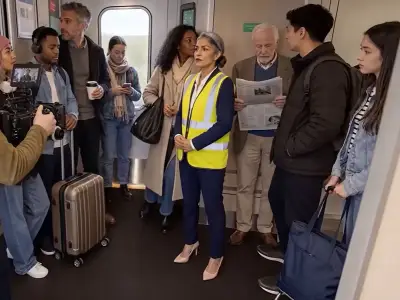
Shot in murky greenish light with tight angles, the scenes place Kate under claustrophobic pressure. However, the camera's confinement to the interrogation room makes the emphasis on questioning feel less like a deliberate choice and more like a cost-saving measure. Glimpses of the wider investigation are fleeting: a sniffer dog detecting blood traces, crime-scene officers rifling through books, and Gerry McCann (James Robinson) expressing frustration with the family lawyer.
The drama is most compelling when Kate is offered a reduced sentence in exchange for confessing to accidentally killing her daughter and concealing the body. In that moment, she realises detectives have stopped searching for Madeleine's abductor. Ultimately, the narrow focus leaves the wider context out of reach, but sharpens the internal ordeal: Kate condemns herself for leaving her children alone, admitting the pain she will carry for life.