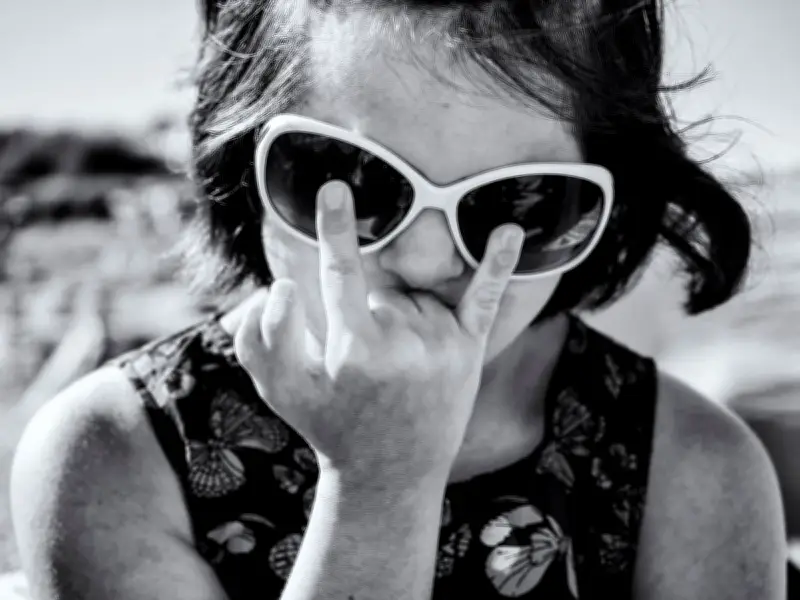
Photographer Carol Allen-Storey’s project Defying the Myth chronicles the untold stories of single mothers who create safe and enduring worlds for their children with severe disabilities. The intimate images capture both the struggles and the profound love that defines these families.
A decade-long personal project
Defying the Myth has evolved over more than a decade. Allen-Storey, an award-winning London-based photographer, documents the lives of single mothers like Shoulana, Annalisa, and Nicola, whose children—Mekhye, Maria, and Kallan—have severe cognitive disabilities and require round-the-clock care. The book will be published in July 2026 by GOST.
Guardian head of photography Fiona Shields wrote the foreword, noting: “When Carol invited me to write a foreword for the book, I thought I would be commenting on the quality and purpose of her photography project, shedding light on disadvantaged families living with a child with disabilities and all the harsh and bleak aspects of that daily struggle. That is all true, but the real surprise comes from the power of the work as a collaboration, the creativity that a shared mission has unlocked for everyone. There is poetry, art, photography and above all there is love.”
Defying myths and destigmatising disability
Shields explains that Allen-Storey’s initial motivation was to reveal a lived experience often unseen and subject to prejudice. The aim was to defy myths and destigmatise disability, providing an unflinching view of these mothers’ lives. “Carol is not just any photographer, she brings a huge open heart!” Shields adds.
In one image, Maria awaits scheduled abdominal surgery while watching a favourite film on her mum’s phone, reversing roles to soothe her concerned mother. Another shows Annalisa embracing her overwrought child after an exhausting day of tests at the hospital.
Moments of joy and connection
To relax Maria before complex abdominal surgery, Annalisa dressed her as a Disney Frozen character. Despite challenges, Maria’s bright spirit shines through even in the hospital setting.
Shoulana places an epilepsy helmet on Mekhye’s head, which he must wear every waking moment to protect him from life-threatening daily seizures. Despite unending challenges, Shoulana remains positive and cheerful, always encouraging Mekhye with patience and warmth. Nightly, she bathes him; the warm water relaxes his stiffened body after seizures, though the task requires high supervision due to his neurological condition.
Kallan’s world of wonder
On a sunny afternoon in Battersea Park, Kallan metamorphoses into Godzilla, using his voice to stim instead of flapping or hitting his head. This helps desensitise his central nervous system. At a local pet shop in Bury St Edmunds, he is enraptured by tropical fish. Diagnosed on the autistic scale at 18 months, he shut down and lost speech, but through his mother Nicola’s unwavering teaching, he now communicates, has an extended vocabulary, and is social with peers.
At the Sea Life London Aquarium, the motion of sharks swimming has a calming effect on Kallan. He wears a shark swim-fin to be at one with the creatures. Nicola can recognise when he becomes overstimulated and knows how to desensitise his nervous system. At the Natural History Museum, he transforms into a dinosaur, a creature he admires.
New ways to show affection
Kallan is obsessed with his iPad, using it to explore topics that intrigue him. He has taught himself to identify subjects on YouTube without verbal skills and navigates to other links for knowledge. Nicola holds her forehead against his as a level of affection he can handle—hugging, kissing, and holding are not always possible, so she finds new ways to show simple affection.
A portrait of Shoulana at the end of a demanding day caring for Mekhye and Gabriel reveals her exhaustion. Shields writes: “The relationships these families have forged with Carol are truly reciprocal, as the images testify. There is a total acceptance of her presence in family life—indeed she is part of the family. When she was recently bereaved for a second time their kindness and concern for her was a lifeline, rallying to support their ‘Auntie Carol’.”