It is a long-running romcom trope that the couples we root for often hide lies threatening any chance of a happy relationship. From classics like The Shop Around the Corner to modern blockbusters such as How to Lose a Guy in 10 Days, the genre thrives when it presents audiences with alarming red flags hidden from characters, raising stakes by seeing if sparks can still fly when ulterior motives are concealed in plain sight.
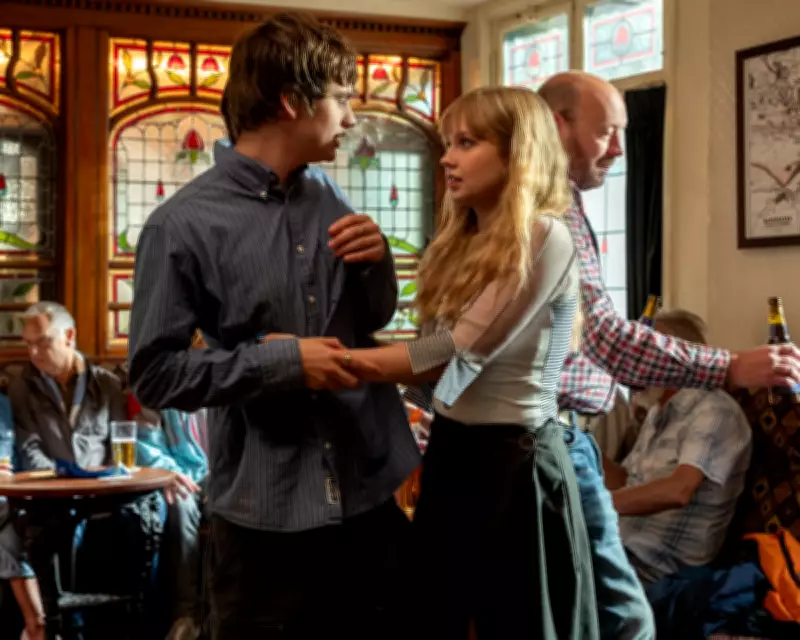
In romantic comedies released this year, this trope has been revived and pushed beyond its breaking point, cementing a new archetype: the unlucky-in-love sociopath. This week's new release Finding Emily is the starkest example. It introduces psychology student Emily (Angourie Rice), whose desperation to find a case study for her dissertation on love's self-destructive nature leads her to concoct a Machiavellian scheme to paint university student Owen (Spike Fearn) as an obsessive stalker.
Owen is a kind-hearted employee of the student union bar. He only meets Emily after his search for a different Emily he danced with leads him astray. After seeing him post campus posters, Rice's Emily decides to help him as fuel for overdue coursework. She fakes his signature on consent forms, secretly records their conversations, and insists he make grand public gestures that paint him badly. As a romantic comedy, feelings gradually form between them, but the initial lie casts such a destructive shadow over Owen's life that the audience feels no triumph when he realises his betrayal.

Another Sociopath in Tuscany
Last month, audiences met another romcom sociopath in Halle Bailey's Anna Montgomery, heroine of You, Me & Tuscany. A house-sitter who lives vicariously through clients, she gets fired for wearing clothes that do not belong to her, including underwear. After a one-night stand with a handsome Italian man, she saves photos of his Tuscan villa and flies to Europe to squat there, pretending to be his fiancee. Red flags pile up in her scheme to maintain luxury on someone else's dime. Her success in winning over another interest is less shocking than the family forgiving her because they found her charming.
The Drama's Weaponised Lie
This trope of a relationship built on a lie was deliberately weaponised in Kristoffer Borgli's black comedy The Drama. It juxtaposes one mundane white lie — Charlie (Robert Pattinson) pretending to have read a book Emma (Zendaya) is reading — with her concealment of the worst thing she has ever done. The film's genius lies not only in Emma being less sociopathic than those judging her for a teenage crime she did not commit, but in exposing why modern romcoms make love interests more extreme. These characters would likely have swiped left on each other due to lack of shared interests, with Charlie's wedding speech lacking specificity about his wife-to-be. Our lives are more online than ever, but the genre cannot reflect that if it wants dramatic tension. Filmmakers are taking extreme approaches in concealing red flags, reinforcing younger audiences' dating attitudes.
Online Dating and the Romcom Crisis
The concept of a real-life meet-cute grows increasingly alien as more relationships begin online. Reports indicate Gen Z is opting out of the dating market altogether. The revival of romcoms aimed at millennial and Gen Z audiences coincides with a need to reflect this sea change, leading to stories that feel more like cautionary tales. We are still far from a horror movie subversion like Fresh, where Daisy Edgar-Jones unwittingly locked eyes with cannibal Sebastian Stan in a grocery store. But filmmakers in both genres seem aware that the digital world provides barriers to such dating nightmares. Neither genre functions well if you get to know someone first and block them before carnage ensues.

There are plenty of horror stories about online dating, as seen in true crime documentaries like The Tinder Swindler. The modern romcom remains stubbornly offline, largely because its love interests would not be reflected well in a dating app bio. In a world where viral social posts outline specific "icks" in potential partners, most new romcom couples would not sustain a Bumble conversation if they had a better handle on each other's personalities. With younger people cynical about love and romcoms struggling to justify classic tropes in an online-driven dating world, these films will not be the last in a wave that feels more harrowing than idealistic.