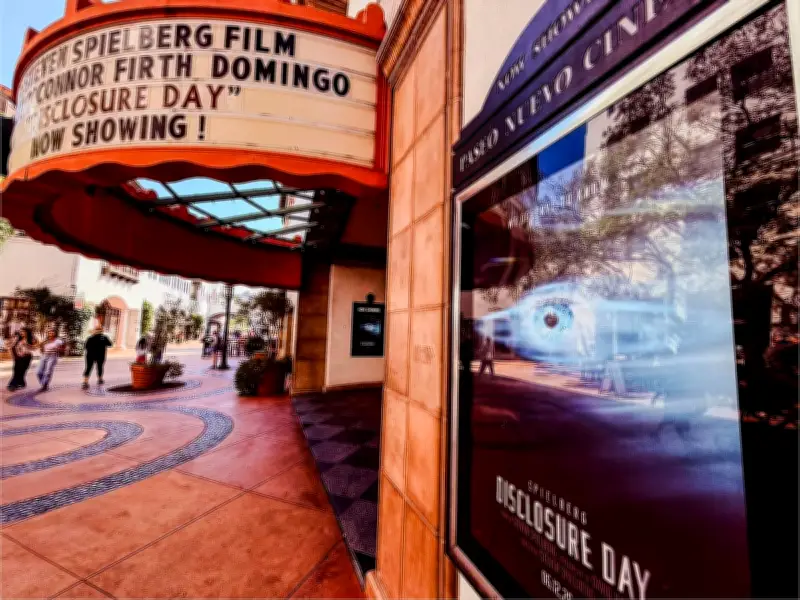
Seth Shostak, senior astronomer at the SETI Institute, explains why a real-life disclosure day for extraterrestrials is unlikely, despite public belief and Spielberg's new film.
The Public's Belief in Aliens
Surveys show a majority of Americans believe extraterrestrials exist in the cosmos, a view shared by many scientists. The reasoning: either aliens exist or life on Earth is remarkably unique, which sounds like special pleading.
Government Secrecy Claims
Many citizens suspect the government hides alien presence to prevent panic. But Shostak argues that if aliens were here, scientists and the public would be intensely interested, and panic is unlikely given that many already believe in aliens without rioting.
Science Says It's Improbable
While interstellar travel doesn't violate physics, it is enormously difficult and costly. Cross-breeding with aliens is biologically impossible. Most scientists see no good evidence of extraterrestrials on Earth.
No Need for Secrecy
If aliens were present, there would be no motivation for secrecy; it would be the story of the century. The 1938 War of the Worlds panic is often cited, but today's public is less likely to panic.
Real Contact: SETI's Search
Real contact will likely come via radio signals, not visitation. SETI scans the sky daily for transmissions from other star systems, but has yet to find one. As telescopes improve, detection could happen anytime.
What Would Real Disclosure Look Like?
The International Astronautical Federation's protocol for a confirmed signal involves verification by multiple telescopes and open scientific study. No secrecy is required; the more scientists involved, the better.
In short, there will be no disclosure day because there is nothing to disclose. Real contact will be announced at a press conference, not from a hidden government file.