Antonio Rüdiger on Refugees, Football, and Challenging Stereotypes
Rüdiger: Refugees Deserve to Be Listened To

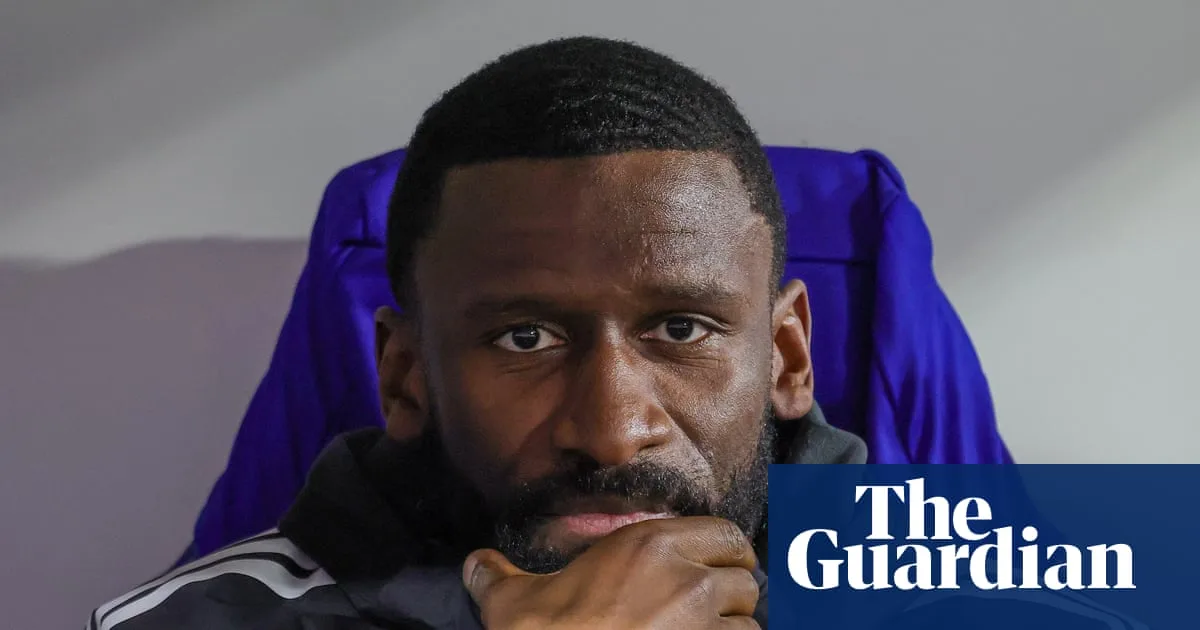
Antonio Rüdiger, the Real Madrid and Germany defender, has drawn on his own family's experience as refugees to advocate for displaced people and challenge negative stereotypes. Growing up in the diverse Neukölln district of Berlin, he recalls a vibrant community where football served as a universal language.

Childhood in Neukölln

As a child, Rüdiger would look out of his bedroom window to see if anyone was playing on the field below. It was a small pitch with two goals, enough for six-a-side, where he honed the skills that would take him to the top. He grew up in a community largely made up of refugees, where his parents settled after fleeing the civil war in Sierra Leone. By his own account, it was a tough area, but football kept him out of trouble.

"We didn't have phones to call each other," Rüdiger explains. "We just looked out of the window, we saw there are guys playing football, so let's go. That was the call."

Wide Pickt banner — collaborative shopping lists app for Telegram, phone mockup with grocery list

Football as a Unifying Force

Rüdiger has joined the UNHCR's "Gamechanging Team," a group of footballers with displacement backgrounds standing with refugees. He remembers a close community with "a lot of togetherness," where neighbours shared food and milk. "If someone didn't have enough food or milk, they visited a neighbour and asked," he says. "We would share everything."

Football was central to that community. "If you look even today: football unites," the 33-year-old says. "We don't need to speak the same language to understand football. We need a ball, we need some players – like this we connected, more and more." He adds, "If someone couldn't speak the language, the football language we all understood."

Family Background and Advocacy

Rüdiger is the youngest of six siblings. Only he and one sister were born in Germany; the rest escaped Sierra Leone after the civil war broke out in 1991. The conflict lasted 11 years and displaced about 2.5 million people. When he was older, he asked his parents about their journey. "It was for them simple to come here for us young ones to have a better life," he says.

He believes negative stereotypes about refugees are unfair. "In everything we have good and bad," he says. "Some people had terrible experiences with refugees. We have to be honest as well, there are good ones coming here who really want to turn over their lives." He calls for perspective: "If someone commits a crime, if the person is black, for example, does that mean every black person is a criminal? No."

Foundation and Future

In 2022, Rüdiger set up the Antonio Rüdiger Foundation, raising funds for schools in Sierra Leone to invest in education, wellness, and sport. He says he has "a lot of energy to help those who are in need."

Heading to his third World Cup, Rüdiger reflects on Real Madrid's recent trophy drought. "These things can happen that you go two years without winning a trophy," he says. "You just need to do the right measures and be honest with yourself, make the right conclusions and go for another year."

Germany's opening World Cup game is against Curaçao. "As a huge country like Germany with huge football history, you don't go to the World Cup just to say: 'Hi, we are here,'" Rüdiger says. "You try to do the best you can."

His journey from that small pitch in Neukölln to the World Cup is an underdog story. "If I came from this situation and I came out of it," he says, "anyone can do it."

Pickt after-article banner — collaborative shopping lists app with family illustration