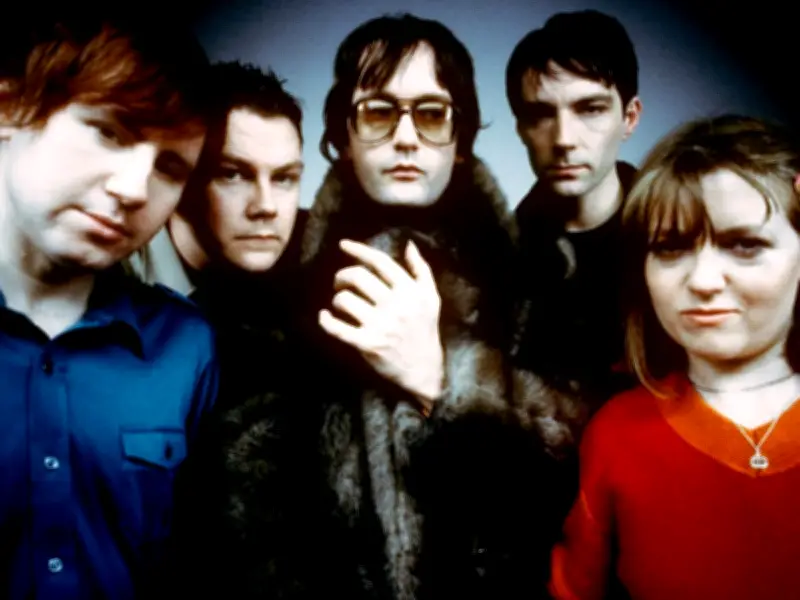
Pulp, one of the defining pillars of Britpop, has a history that stretches back long before the genre's heyday. Formed in Sheffield in 1978 by a shy and awkward teenage Jarvis Cocker, the band originally called Arabicus Pulp—taken from a coffee bean commodity listing in a classmate's Financial Times—shortened it because everyone hated the name, with early gig posters frequently misspelling it as Pope or The Pulps.
Early Struggles and Cult Status
Jarvis Cocker recalled their first concert in 1980: "We were taken there in a mobile grocer's van. We turned up stinking of turnips." The line-up and signature sound took years to develop, and throughout the 1980s, they endured constant member changes, endless gigs, but very little commercial attention. Considered a cult act, albums It (1983) and Freaks (1987) were released to minimal interest from the media. Jarvis described Pulp’s early years as gruelling and defined by rejection, struggling on the dole. He spent his entire adolescence fearing he had "wasted life."
Jarvis reflected later: "Pulp existed for 12 years before we got famous. Now, you could say that was just lack of imagination, but it's some kind of quality isn't it? Tenacity. You could also say it was sloth."

The Turning Point: A Fall from a Window
Cocker famously attributes Pulp's musical breakthrough to an unfortunate 1985 incident when he fell out of a window trying to impress a girl, leaving him in a wheelchair for months. He said: "My breakthrough came when I stopped trying to be profound and started writing about normal things. That was precipitated by an accident where I ended up falling out of a window and being in hospital for about a month. I really did come down to earth."
It took a few more years to find the right balance in Pulp's music, but things turned for the better with Separations (1992) and especially His ‘n’ Hers (1994), which brought them into the Britpop conversation alongside Blur and Oasis, built on Cocker’s wry, voyeuristic storytelling and Russell Senior’s violin-laced guitar work. On embracing awkwardness, he said: "I suppose the turning point was... deciding to write about everyday normal things. I thought, 'Well, if I write about that, nobody else is doing it' ... I wanted to include all the awkward bits and the fumblings."
Commercial Breakthrough with 'Different Class'
The commercial breakthrough came with 1995’s Different Class, driven by the single "Common People"—a sharp, danceable takedown of class tourism that became a defining Britpop anthem and hit No. 2. Explaining the inspiration, Jarvis said: "Every detail—the St Martin's girl, the cigarettes, the pretending—came from a man who had spent sixteen years on the outside of success watching other people live inside it. You can't write that song without living that life first."
Their rise was cemented when Pulp famously played Glastonbury as headliners on June 24, 1995, stepping in at the last minute to replace The Stone Roses after guitarist John Squire broke his collarbone. It was the performance of their lives.
Fame, Controversy, and Hiatus
Cocker became the nation’s sweetheart in 1996 for invading the stage and flashing his bottom during Michael Jackson’s BRIT Awards performance in protest at its messianic staging, an act that made him a hero overnight. He was immortalised in wax at Madame Tussauds, while follow-up albums This Is Hardcore (1998) drew inspiration from fame, sex, and comedown anxiety, often read as a reaction to that sudden visibility. We Love Life in 2001, produced by Cocker’s hero Scott Walker, closed out their original run on a more pastoral note, before going on hiatus in 2002.
Jarvis struggled after becoming successful: "Pulp became hugely popular and I lost control of it, which is when it all went wrong. After gaining a commercially successful status, the group can then begin to subvert... So that was the idea... And that's probably why, when we did make it, it went a bit sour. Because I realised we couldn't change the whole world. So I got a bit of a downer then."

2025 Reunion and New Album 'More'
They’ve reunited periodically for tours in 2011 and 2023, but in 2025 Pulp released More, their first new album in 24 years. More was a rejuvenating experience that felt "like going back to when you start a band," and Cocker was open about how the reunion and personal changes completely changed his approach to music. They returned to Glastonbury that year for an emotional set and are capping off their recent victory lap by releasing a live album—aptly titled Live!—and a concert film, Pulp: What Do You Do For an Encore? to commemorate their two June 2025 performances at London’s O2 Arena.
Masters of endurance, terrible dancing, and witty earworms, long may Pulp rule.