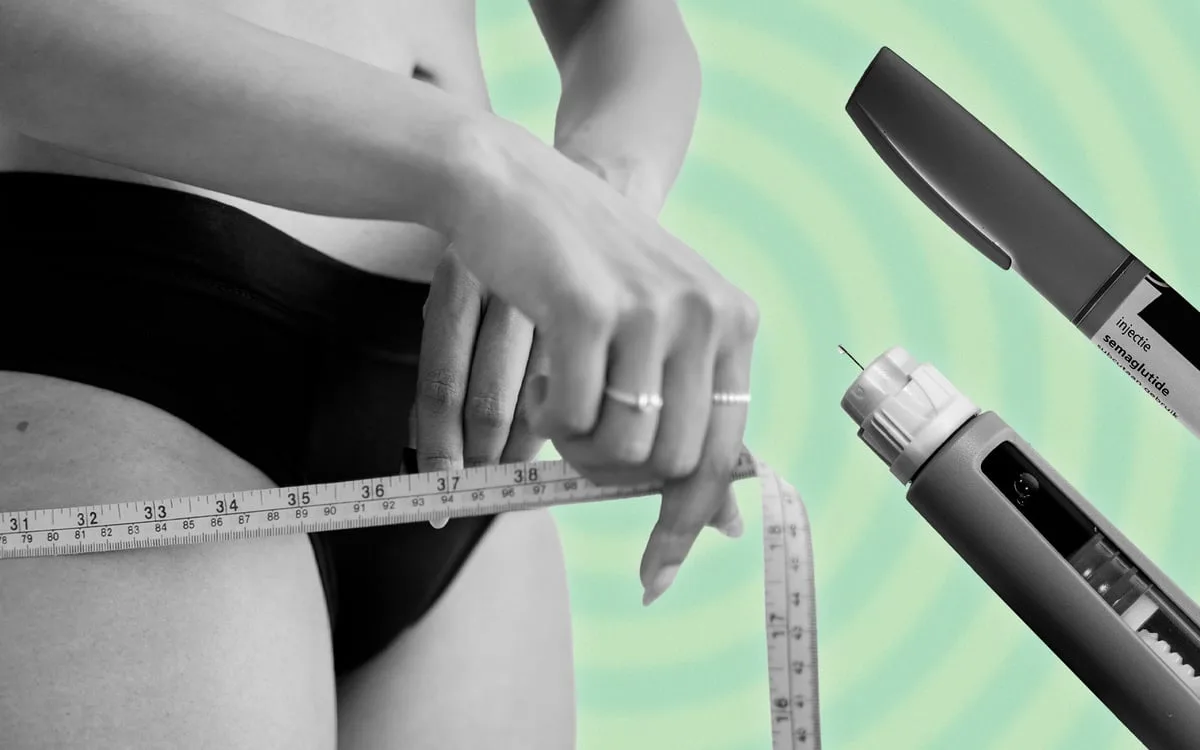
A personal essay has highlighted how the rise of weight-loss drugs like Ozempic is reshaping body image ideals, with one writer describing a sudden obsession with perceived weight gain that turned out to be unfounded. The author, writing in a recent piece, said she had maintained the same weight for years until six months ago, when she became convinced she had put on weight after noticing changes in her reflection.
Upon revisiting old photos from 2019, she realised her physique was unchanged. The writer attributes her distorted perception to the current cultural shift towards extreme thinness, fuelled by the widespread availability of semaglutide drugs such as Ozempic and Mounjaro. These medications, originally approved for diabetes, are now commonly used off-label for weight loss, with celebrities and influencers openly using them.
Approved in the UK for weight management as Wegovy in 2023, and Mounjaro shortly after, the drugs have led to a surge in accessibility for those who can afford them—users of Mounjaro will pay £330 a month from September. The essay notes that while the late 2010s embraced body positivity, the current era sees a return to 'heroin chic' standards, now achievable via prescription.
The author warns that the trend is erasing other body shapes from public view, as even previously body-positive figures like Lizzo have tried GLP-1s. 'It can feel like every person with a platform is skinny,' she writes, reflecting concerns that the pressure to conform is driving a new wave of body dissatisfaction.