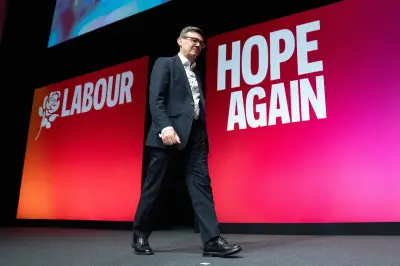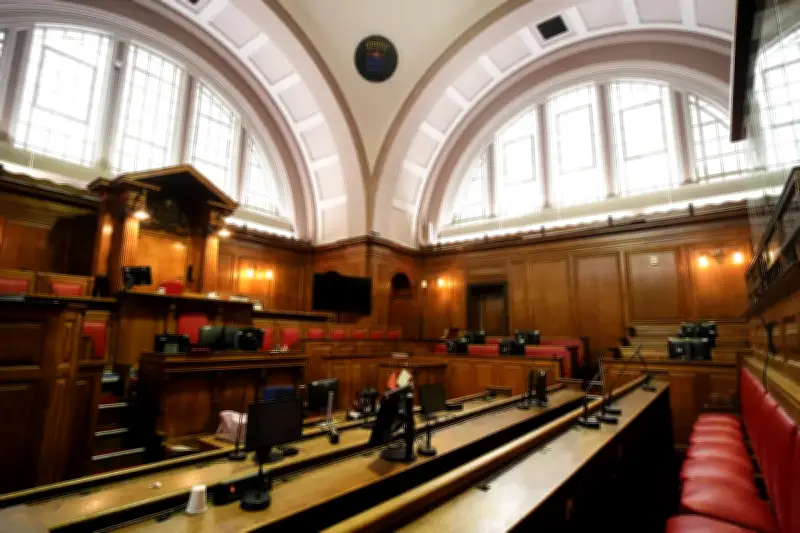
Andy Burnham has scrapped the controversial plan to curb jury trials. The decision is a U-turn on proposals introduced under Sir Keir Starmer’s leadership in a bid to tackle the court backlog.
Only some fraud and financial offences will now be allowed to be heard before a judge alone without a jury, the Ministry of Justice (MoJ) said. Justice Secretary Alex Norris said he decided to “change course” after hearing the “strength of feeling on the proposals”.
Opposition and Support
The plan faced opposition from MPs and legal professionals concerned over fairness, curtailing rights, and a lack of evidence the move would even help bring down the backlog. Barrister Karl Turner, who had the Labour whip suspended after he criticised the plan, welcomed the decision, and thanked the Prime Minister “for his support during my campaign”.
Mr Turner, MP for East Hull, told the Press Association he had “engaged directly with the Justice Secretary” about the issue in recent weeks. Former justice secretary David Lammy, who championed the move, had told MPs the reforms were “desperately needed” to prevent victims facing “agonising delays”.
Backlog Figures and Reforms
MoJ figures showed there were 80,829 cases still to be dealt with at the end of June, with the backlog almost doubling since 2020. Mr Lammy wanted to reserve jury trials for “indictable-only” offences such as murder and rape, and lesser “either-way” offences with a likely sentence of more than three years in prison. Other cases would instead have been heard by a single crown court judge.
It was supported by MPs at the first Commons hurdle earlier this year. Mr Norris insisted that scrapping the proposal would allow the Government to reduce the backlog faster, as it would require less structural change.
Another change announced by the MoJ will see criminals accused of “relatively minor crimes” losing the right to choose a Crown Court jury trial rather than a magistrates one, with courts having the final say on where “either-way” offences are sent.
Justice Secretary’s Statement
The Justice Secretary said: “This Government inherited criminal courts on the brink of collapse, with victims waiting years for their day in court. I remain committed to bringing down the backlog and delivering swifter justice for those who so desperately need it. But I have heard the strength of feeling on the proposals for increasing the number of judge-alone trials in the crown court and have made the decision to change course. This allows us to start that work far earlier, ensuring that under this Government we do not have victims waiting endlessly for justice. Justice delayed is justice denied, and I am committed to maximising efficiencies in our system alongside record investment. I remain committed to structural reform which is crucial if we are to bring down the backlog.”
The changes will be made to the Courts and Tribunals Bill, due back in Parliament later this month. The proposed reforms were a response to recommendations made by Sir Brian Leveson to overhaul the courts system. In his review, the former senior judge found there is “no constitutional or common law” right, or right within European human rights law, for a defendant to be tried by a jury, and so there was no need to limit reforms because of this.
Reactions from MPs and Legal Bodies
Responding to the Government’s decision, Mr Turner told the Press Association: “I strongly welcome the fact that the new Justice Secretary, Alex Norris, has rightly binned the unworkable plans to curtail jury trials pursued under the previous Labour prime minister, Sir Keir Starmer. I have been pleased to engage directly with the Justice Secretary and his political advisers in recent weeks, and those discussions have been constructive and encouraging. While we must await the detail of the Government’s plans before judging how effective they will ultimately be in practice, I am pleased that Prime Minister Andy Burnham has honoured the commitment he gave me to drop the proposed Crown Court Bench Division (CCBD), a new tier of criminal court that I believe would have been unworkable, unjust and undemocratic. I have consistently made the case that people facing serious criminal charges deserve the fundamental safeguard of a jury trial, and I am hugely grateful to Andy Burnham for his support during my campaign against David Lammy’s proposals. I also want to place on record my thanks to Justice Secretary Alex Norris for engaging with me so positively and constructively. But the Government should be in no doubt that if its eventual proposals are unworkable, fail to protect the right to a fair trial or undermine access to justice, they will not secure the support they need in the House of Lords. I will continue to press the Government to ensure that any reforms to our criminal courts strengthen access to justice, protect the right to a fair trial and command the confidence of the public. This is an important step, but the fight to protect access to justice and ensure justice is properly served for both victims and the accused does not end here”.
Shadow justice secretary Nick Timothy said: “This is a major victory for everyone who fought to defend trial by jury, and Conservatives led that fight from day one. Labour have been forced to abandon its central attack on jury trials in the Crown Court. Labour are restricting juries by the back door, scrapping the right to elect one and dumping those cases on magistrates whose backlog is at a record high.”
Mark Evans, president of the Law Society of England and Wales said: “Too much time has been wasted to reach this common-sense position while the backlogs in the Crown and magistrates’ courts have remained unacceptably high. Investment in infrastructure and technology is encouraging but this must be new money coming into the criminal justice system. We remain concerned that putting more cases into the magistrates’ court, which also faces record backlogs, without increasing capacity places even greater strain on an already overburdened system and risks serious cases facing summary justice.”
Claire Waxman, Victims’ Commissioner for England and Wales, said victims “are being asked to place their faith in a plan that ministers themselves previously argued would not be (enough).” Liberal Democrat justice spokesperson Jess Brown-Fuller said the proposal “should never have been introduced in the first place”, while Green MP Sian Berry said the U-turn is “a victory for justice and fairness”.