The Privilege of Mourning
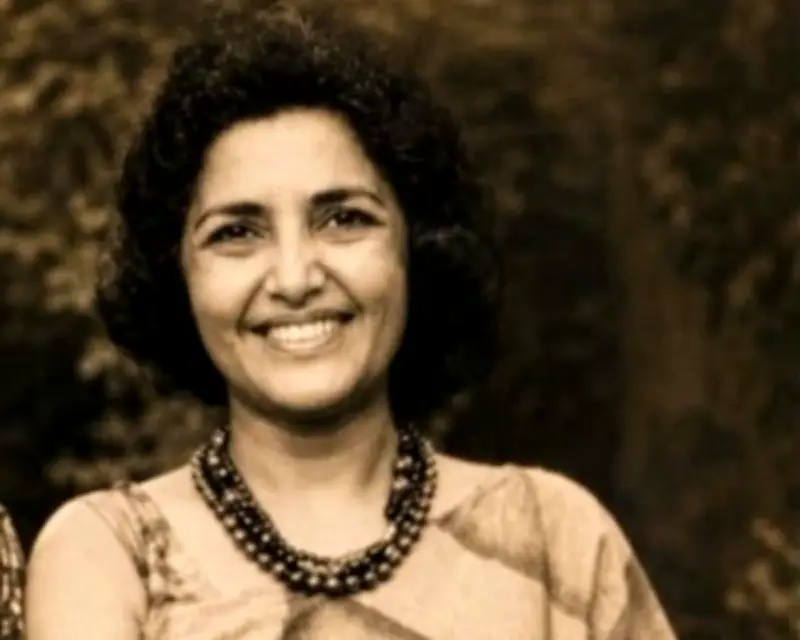
Shada Islam, a Brussels-based commentator on EU affairs, writes about the death of her mother, Abeeda Qamar ul Islam, on June 14 in Karachi, Pakistan. She describes the early-morning phone call, the rush to the airport, and the final moments in the hospital. Despite her overwhelming sorrow, she recognizes the privilege of being able to mourn, unlike those in war zones such as Gaza, Lebanon, Iran, and Sudan, where there is often no shroud, no grave, no funeral, and sometimes not even a body to bury.
A Mother's Life and Legacy
Islam recalls her mother's cheerful phone call on her birthday, their plans to spend time together in Karachi, and her mother's deep sadness after the death of her younger sister. She notes that her mother, a progressive Pakistani woman with a Sufi tradition, was a pioneer in women's rights, education, and community service. Her mother's lineage traces back to Fatima, the daughter of the prophet Muhammad, and she lived through the Partition of India and Pakistan, which made her feel solidarity with Palestinians, Kashmiris, Iranians, Yemenis, and the people of Sudan.
The Rituals of Grief
Islam describes the Islamic rituals and rites that helped her deal with her loss, including prayers at the graveyard led by a neighbor and a gathering of remembrance. She emphasizes that these rituals have become casualties of wars and genocide in many parts of the world, where people have no time, safety, certainty, or grave to visit. She states, "Grief is universal, but being able to mourn is a privilege."
A Personal Reflection
Islam reflects on her mother's love for poetry, particularly the works of Akhtar Shirani, and her deep spirituality. She shares the story of how her parents met at a shoe store in Lahore's Anarkali market. She concludes that in a dystopian world, having the space to mourn is a privilege that many cannot exercise, and she feels fortunate to have been loved by her mother and to have had the chance to say goodbye.