Lily Allen's Transformation from 'Angry Girl' to Liberated Artist
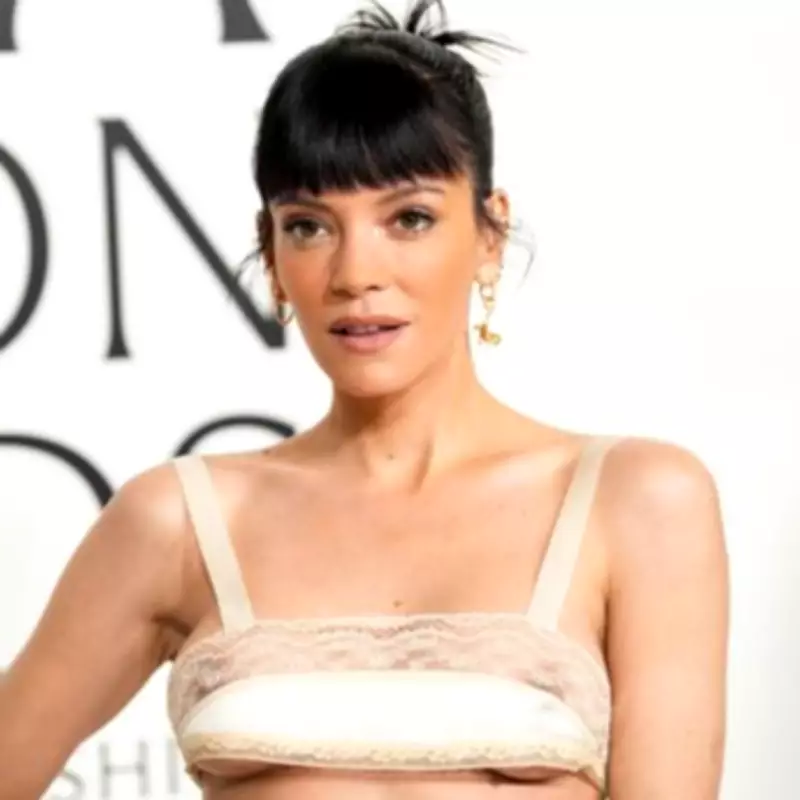
At 40, Lily Allen is fiercer, louder, and unapologetically herself, firmly back in the spotlight with a UK tour that kicked off in Glasgow and a summer packed with festival dates. This resurgence follows her three nominations at the BRIT Awards, proving that her first album in seven years, West End Girl, has transformed personal turmoil into a roar of creative energy. However, this comeback feels distinctly different from past chapters in her career.
A New Chapter of Liberation and Confidence
"I feel liberated," Allen recently declared in an interview. "It's a really nice feeling... I'm genuinely psyched and excited for the next couple of years." Off stage, she is embracing a fresh start, having confirmed a relationship with Jonah Freud, 12 years her junior, after a romantic break in Rome. This step forward comes over a year after her divorce, signaling a quietly confident move beyond turbulent years.
Behind the sharp lyrics and fearless interviews lies a woman who has spent decades rewriting the rules ingrained in her childhood. Allen did not grow up in a conventional West London household; her parents, film producer Alison Owen and actor-comedian Keith Allen, split when she was just four after he walked out. "I wasn't close to my dad growing up... I wasn't close to Keith because he wasn't around," she wrote in her memoir My Thoughts Exactly. Her father's unpredictable behavior, which she described as that of a "self-saboteur," left lasting emotional scars.

Childhood Turmoil and Its Lasting Impact
Witnessing her father's alleged cocaine-related heart attack at Glastonbury effectively ended their relationship. As a child, she "felt lost and invisible and often ignored"—emotions that quietly shaped her adult life. After her father left, her mother began a relationship with comedian Harry Enfield, who provided stability, but her childhood remained far from smooth. In one extraordinary episode, a runner sent by her mother to collect Lily from school picked up the wrong Lily, an incident that deepened her sense of invisibility.
Allen has also spoken about returning home to find her mother in severe distress, surrounded by empty vodka and pill bottles. "I rang Harry. I felt like I was betraying mum by ringing him... but I didn't know what else to do. Something's wrong with mum. I'm scared," she recalled. She described rejection as "the haze in which I lived as a child," explaining it fostered a tendency to be a 'people-pleaser' in later relationships.
Therapy Insights and Internal Rules
According to Marisa Peer, a world-renowned therapist and author of Your Mind, Your Rules, these early experiences form what she calls internal "rules." "Lily's story is exactly what I see over and over again in my work," Peer explains. "A child grows up feeling unseen, unheard, or unloved, and the mind writes rules based on those experiences: 'I must fight to be noticed,' 'I am only valuable if I perform,' or 'Love comes with pain.'" These rules silently guide adult choices, from relationships to career decisions.
Allen's early albums—Alright, Still, It's Not Me, It's You, and Sheezus—made her a household name, turning razor-sharp wit into global hits like "Smile" and "The Fear." Yet, behind the success lurked a spiraling relationship with food, drugs, and self-worth. "There's a direct correlation between my success and my increasingly unhealthy relationship with food," she later admitted, citing bulimia and addiction as escapes from herself.
Sobriety and Creative Revival
Today, Allen is sober and in recovery, crediting this with allowing her to experience success differently. "I'm super grateful that I'm sober this time around," she told Elle magazine. "I know nothing is permanent and that these things come and go." Recovery has given her clarity and control, enabling a more authentic creative expression.

Dermot McNamara, a music manager and PR expert, notes Allen's enduring appeal: "I think Lily Allen has lasted because she's never tried to be the 'perfect pop star' or ever pretended to be anything other than exactly who she is. From Alright, Still to West End Girl, she has consistently turned her personal chaos, heartbreak, humour and rage into cultural currency." He adds that her refusal to age quietly or conform to outdated rules for female pop stars has kept her relevant.
Motherhood, Heartbreak, and Personal Growth
Motherhood marked a profound shift for Allen. She married builder and decorator Sam Cooper in 2011, welcoming two daughters, Ethel Mary and Marnie Rose, now 14 and 13. She also endured unimaginable heartbreak with the loss of her son George in 2010 at six months pregnant, describing the delivery as "incredibly traumatic" and admitting she may never fully recover. Reflecting on motherhood, Peer observes: "Becoming a mother changes everything. It forces you to confront your own childhood pain and patterns of behaviour—and rewrite how you live."
Her marriage to Cooper ended in 2018, followed by a whirlwind romance with David Harbour, best known for Stranger Things. They married in 2020, but their relationship evolved into an open marriage, which Allen struggled with deeply. "It's not something that I think I would necessarily explore again," she has said. The breakdown of that marriage fueled West End Girl, which she describes as "a really angry record" focused on rage directed toward others.
Breaking Patterns and Embracing Freedom
Peer believes that divorce and heartbreak can trigger profound internal change. "Often, after divorce or heartbreak, we unconsciously reassess the rules we have been living by—especially around love. Someone who may have once chosen intensity, familiarity, or what felt 'safe' might later choose lightness, playfulness, or freedom," she explains. Allen's most profound breakthrough came during a meditation retreat, where she struggled to ask for a cup of tea, a metaphor for her lifelong people-pleasing. "I started to practise asking for things from people, and it has completely changed my life," she revealed.
With her new relationship, Peer notes: "When we rewrite our rules around love, we don't just change partners—we change patterns. Choosing someone younger, or someone outside what you have previously defined as your 'type', can reflect a woman who is no longer seeking to recreate old emotional dynamics." In 2024, Allen shocked many by revealing that her OnlyFans earnings from selling photos of her feet outpaced her Spotify royalties, despite nearly eight million monthly listeners, highlighting her provocative and self-aware nature.
Living Authentically with ADHD and Defiance
Allen has also spoken candidly about living with ADHD, explaining: "I have ADHD, so it's really hard when things come in, and I'm overloaded with information... But sometimes my brain goes off and gets distracted." For someone often labeled chaotic, this diagnosis offers context rather than criticism. McNamara adds: "She's still provocative, still self-aware, and still rewriting the rules... In an industry that often sidelines women once they hit a certain age, that defiance is her superpower."
With BRIT nominations, a sold-out tour, and a new relationship, Allen is stepping into this era not as the "angry girl" of the past, but as a woman who understands her patterns and is choosing differently. "I am a woman, I am a mother, I was a wife. I drink. I have taken drugs. I have loved and been let down. I am a success and a failure. I am a songwriter. I am a singer. I am all these things and more," she asserts. Ultimately, for Lily Allen, rewriting the rules has been about survival—and finally, freedom.