
A new rift forming beneath Zambia could eventually tear the African continent apart, according to research from Oxford University. The Kafue Rift, part of a 2,500km zone stretching from Tanzania to Namibia, may become a new tectonic plate boundary, leading to the break-up of sub-Saharan Africa.
Scientists analysed geothermal springs along the rift and found helium signatures indicating a direct connection with the mantle, 40 to 160km below the Earth's surface. This suggests the fault boundary is active and that the Southwest African Rift Zone is also active, potentially signalling the early stages of continental break-up.
Researchers visited eight geothermal wells and springs in Zambia, collecting gas samples from bubbling water. They detected mantle-derived gases, including a form of helium not found in the atmosphere and carbon dioxide consistent with mantle fluids. These findings point to the rift breaking through the Earth's crust.
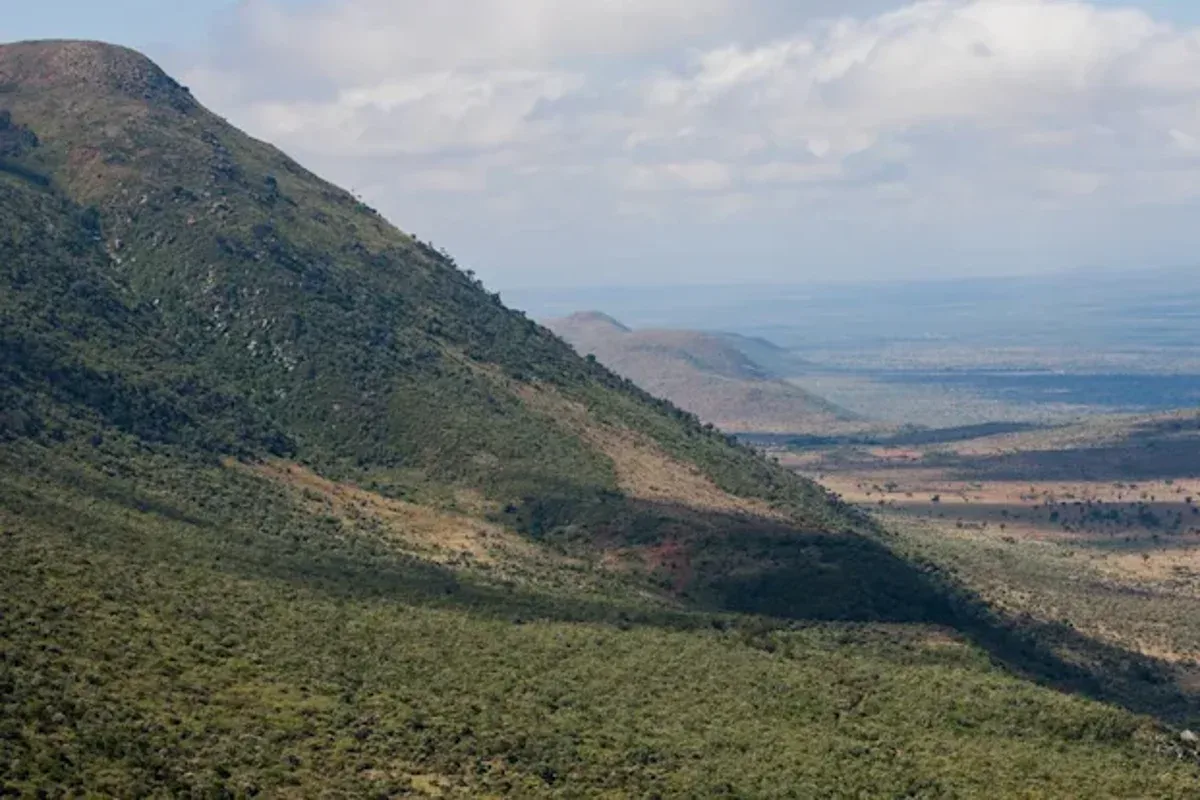
Dr Mike Daly, lead author of the study published in Frontiers in Earth Science, said: 'The hot springs along the Kafue Rift have helium signatures which indicate a direct connection with the mantle. This fluid connection is evidence the fault boundary is active.' He added that many features of the Great Rift Valley in Kenya suggest East Africa could become a line of major continental break-up.
Such rifts provide geothermal energy and access to vast helium and hydrogen reserves, which could reshape Africa's economic future. Further studies are planned, with the next phase expected to be completed this year.




