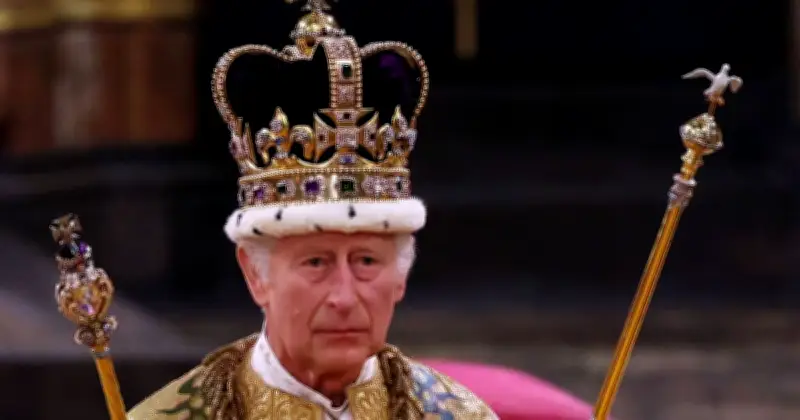
King Charles has decided not to live in Buckingham Palace, a move that one royal analyst warns could be the biggest mistake of his reign. The iconic London building will instead serve as an office, museum, and entertainment venue, marking the end of an era for the British monarchy.
Why the King Chose Clarence House
The decision is hardly surprising, according to Royal Editor Emily Ferguson. Charles has no love for the grand property, finding it too large, impersonal, and lacking the homely feel of his other beloved residences, including Clarence House, Highgrove, and Birkhall. This sentiment is not new; his late mother, Queen Elizabeth II, also wanted to stay at Clarence House after her marriage to Prince Philip in 1947, but then-Prime Minister Winston Churchill insisted she move to Buckingham Palace for the monarchy's prestige.
By remaining at Clarence House, Charles and Queen Camilla avoid the hassle of moving their belongings and household after more than 23 years in their current home. However, the decision carries significant risks.
Taxpayer Costs and Republican Criticism
Critics argue that taxpayers have spent nearly £370 million on Buckingham Palace renovations, only for the building to never serve as a monarch's residence. This could reduce the public appeal of the historic building and give ammunition to republicans, Ferguson notes. Despite this, the palace will remain the monarchy's headquarters, hosting official engagements, state occasions, and ceremonial events like Trooping the Colour. Charles will continue to use it for audiences, receptions, and state visits.
“Sensible people will argue that it doesn’t matter if he doesn’t sleep there,” Ferguson writes. “It reflects the modern era and the King's relatable desire to live in cosier surroundings, aged 77.”
The Risk to Monarchy's Stardust
However, the change is not without risks. “The stardust of the Royal Family is at risk, as the palace is reduced to a mere office,” Ferguson warns. While Britons and tourists are likely to still view Buckingham Palace as the visible symbol of the monarchy, the decision undeniably gives republicans “something else to weaponise.”
The analysis concludes that while the choice may come from the heart, its impact on the wider monarchy could be profound, potentially diminishing the institution's prestige.