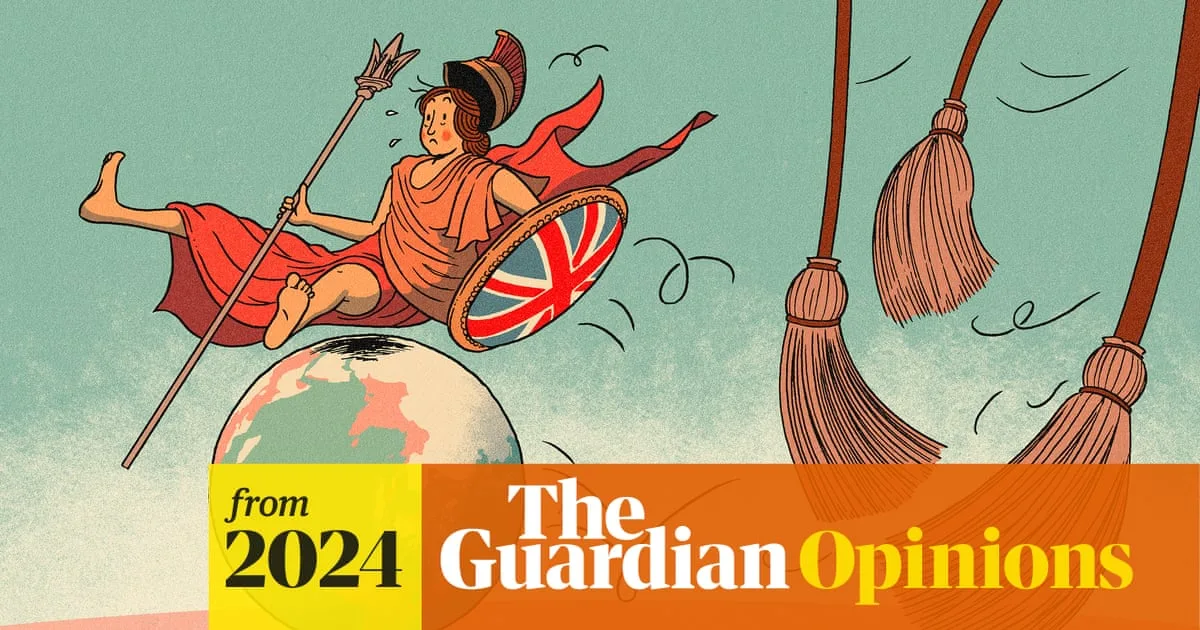
New research from the National Centre for Social Research reveals that the British public is becoming less nationalistic and less proud of the nation’s history, democracy, political influence and economic achievements. The only areas where pride remained constant and high were sport, and art and literature.
The British Social Attitudes survey suggests that generational replacement is driving these changes. Younger generations define Britishness more as a civic identity than an ethnic one. For instance, 70% of people over 65 believe being born in Britain is important, compared to only 41% of those under 35.
Ethnic diversity also plays a role, with younger, more diverse cohorts less tied to historical notions of Britishness rooted in empire or ethnic heritage. Instead, shared references from art, literature and sport are creating new civic bonds.
Commentators note that public debate over empire, colonialism and slavery, led by writers, academics and cultural institutions, has likely contributed to the decline in pride over history—despite backlash from the media and political sphere.
The survey indicates a growing preference for equality over supremacy as a source of identity, reflecting a more confident and less defensive national outlook. However, critics argue that focusing on current economic and social challenges could undermine pride in Britain’s present achievements.