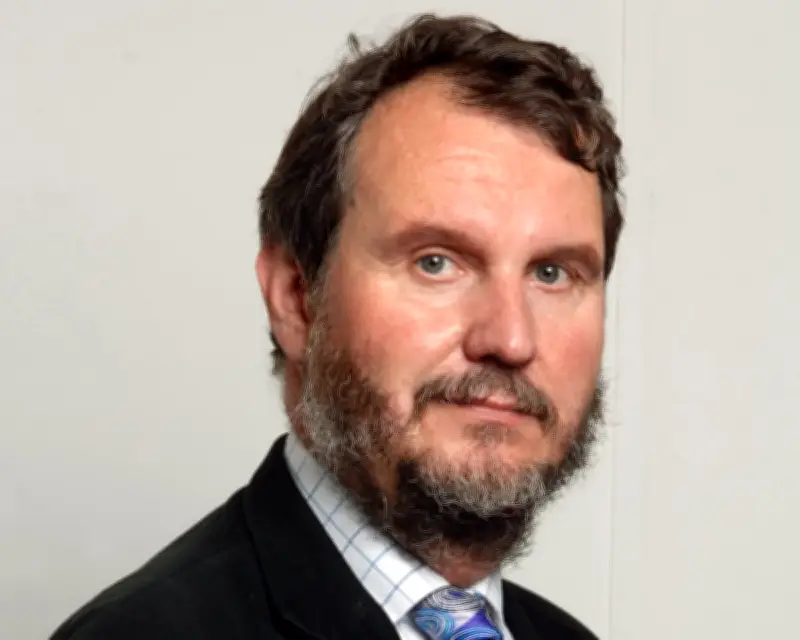
David Hencke, the acclaimed Guardian journalist who exposed the cash-for-questions scandal and helped bring down two Conservative ministers, has died of liver cancer at the age of 79. Hencke spent more than three decades at the Guardian, rising to become Westminster correspondent and earning a reputation as one of Fleet Street's most formidable investigative reporters.
Career Highlights and Major Scoops
Hencke joined the Guardian as a reporter in 1976 and later became Westminster correspondent, a role he held until 2009. He was named reporter of the year in 1994 for his coverage of the cash-for-questions scandal, which revealed that Conservative MPs Neil Hamilton and Tim Smith had accepted payments from the lobbyist Ian Greer in exchange for asking parliamentary questions. The scandal became a defining issue of the 1997 general election, contributing to the end of 18 years of Conservative rule. Hamilton was defeated by the journalist Martin Bell, who stood on an anti-corruption platform, while Smith resigned as an MP.
Hencke also won scoop of the year in 1998 for revealing that Peter Mandelson had secretly borrowed £373,000 from his government colleague Geoffrey Robinson to buy a £475,000 home in Notting Hill. The story led to Mandelson's first resignation from government.
Tributes from Colleagues
The Guardian's editor-in-chief, Katharine Viner, said: “David Hencke was a true Fleet Street legend. He worked for the Guardian for more than 30 years and was responsible for breaking some of the biggest political stories of the time. David became the most feared journalist in Westminster because of his acute nose for political scandal and wrongdoing. He worked with an enthusiasm and energy that inspired colleagues and rivals over an impressively long and important career.”
Francis Beckett, a distinguished journalist who co-wrote three books with Hencke, recalled: “David discovered early in life something he loved doing and was very good at. And he was a lucky man; he was able to do it for all of his working life. And what he loved was finding things out that rich and powerful people didn’t want us to know, and telling us. Working with him on the three books we did together, I saw regularly the excitement it gave him to find something that was genuinely new, that somebody powerful had tried to hide, and put it in the book.”
Beckett added that Hencke's relaxed demeanour made him a formidable scoop getter: “He looked and sounded completely harmless. If I had been a politician with a secret and I had looked at David, I can perfectly well imagine I would have confided in him.” Hencke was still working on a story until a week before his death on Friday, Beckett revealed. “That was what he loved doing.”