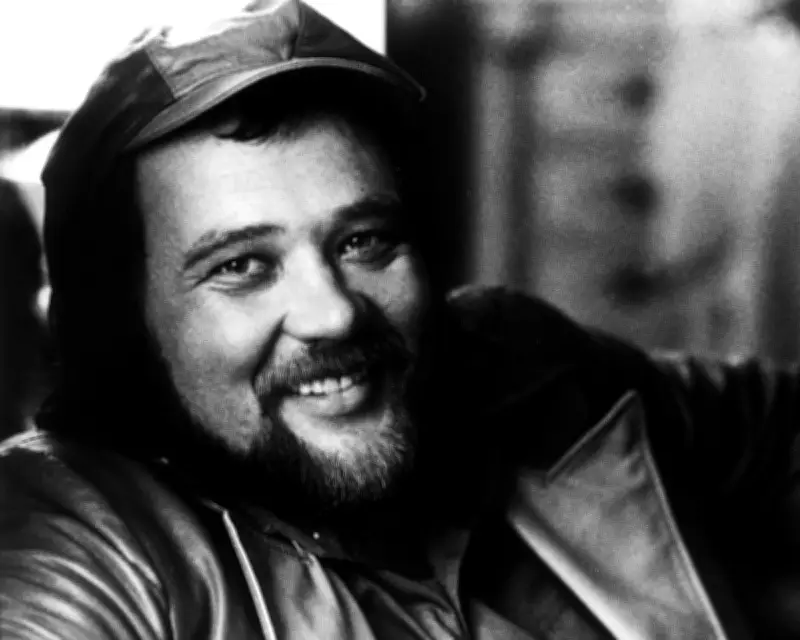
David Clayton-Thomas, the Grammy-winning singer and frontman of Blood, Sweat & Tears who helped propel the band to the forefront of the late 1960s rock scene, has died at 84. He passed away on 24 June 2026, according to his family.
From Canadian Clubs to Rock Stardom
Born David Henry Thomsett on 13 September 1941 in Kingston upon Thames, Surrey, during the second world war, he was the son of Fred Thomsett, a Canadian soldier, and Freda (née Smith), a music student. After the war, the family moved to Willowdale, a Toronto suburb. By age 14, Clayton-Thomas had left home due to maltreatment by his alcoholic father and lived rough, with several arrests for vagrancy and theft. During a period of incarceration, he taught himself guitar on an instrument left by a former inmate.
He began performing in clubs on Toronto's Yonge Street district, initially as Sonny Thomas, earning recognition for his raw blues singing. He sometimes performed with the Hawks, who later became Bob Dylan's backing group, the Band. Adopting the name Clayton-Thomas marked a deliberate move away from his troubled past.
Joining Blood, Sweat & Tears
His first band was an R&B outfit, the Shays, originally David Clayton-Thomas and the Fabulous Shays, who opened for the Rolling Stones at Maple Leaf Gardens in Toronto in 1965. He later teamed with jazz pianist Tony Collacott in the Bossmen, scoring a Canadian hit in 1966 with his anti-Vietnam war song Brain Washed. After forming the David Clayton-Thomas Combine, he accepted an invitation from bluesman John Lee Hooker to travel to New York and perform in Greenwich Village clubs.
There, folk singer Judy Collins, a friend of Blood, Sweat & Tears drummer Bobby Colomby, heard him sing and recommended him as a replacement for the departed vocalist and keyboardist Al Kooper. The band's debut album, Child Is Father to the Man, had cracked the US Top 50, but it was the follow-up, Blood, Sweat & Tears (released December 1968), with Clayton-Thomas on board, that blasted them into the rock'n'roll stratosphere.
Chart-Topping Success and Grammy Glory
The mixture of his gritty, soulful tenor voice with the band's punchy four-piece horn section and imaginative arrangements, along with his burly physical presence, created a formidable musical brew mixing jazz, blues, soul and balladry. The album topped the US chart and generated three hit singles, each reaching No. 2: You've Made Me So Very Happy, And When I Die, and Spinning Wheel, the last a Clayton-Thomas composition. The album won the Grammy for Album of the Year and was inducted into the Grammy Hall of Fame in 2002.
The band headlined the 1969 Woodstock festival and topped the US album charts again with Blood, Sweat & Tears 3 (1970), which produced the Top 20 hit Hi-De-Ho and Top 30 hit Lucretia Mac Evil. However, controversy erupted when they became the first American band to tour behind the Iron Curtain in 1970, visiting Yugoslavia, Romania and Poland under the US State Department's auspices. Clayton-Thomas told Rolling Stone: "We went over there with the idea of just how much so-called communist fascism is American propaganda, and I found that the propaganda is pretty damn close to the truth. It's scary."
Controversy and Departure
The band's seeming collusion with the Nixon administration angered parts of their audience. The 2023 documentary What the Hell Happened to Blood, Sweat & Tears? revealed that Clayton-Thomas had a criminal record from his youth in Canada and faced deportation for overstaying his visa. The band was told that if they agreed to the tour, he would be granted permanent US residency.
Their fourth album, B, S & T; 4 (1971), reached only No. 10 and spawned a minor hit with Go Down Gamblin' (a Clayton-Thomas composition). After its release, he quit to pursue a solo career, citing arguments over business issues and a surfeit of drugs and alcohol that had tested inter-band relationships to their limits.
Solo Career and Later Years
Clayton-Thomas released three solo albums from 1972-73 before rejoining the group in 1974. He released 14 more solo albums between 1977 and 2019, though none charted significantly. Blood, Sweat & Tears released new studio albums regularly up to Nuclear Blues (1980), but only New City (1975) reached the US Top 50.
In 2010, he published his autobiography, Blood, Sweat and Tears. He was a regular campaigner for Peacebuilders Canada, a non-profit seeking changes in justice and education to keep young people out of the criminal justice system. Four marriages ended in divorce. He is survived by two daughters, Ashleigh and Christine.