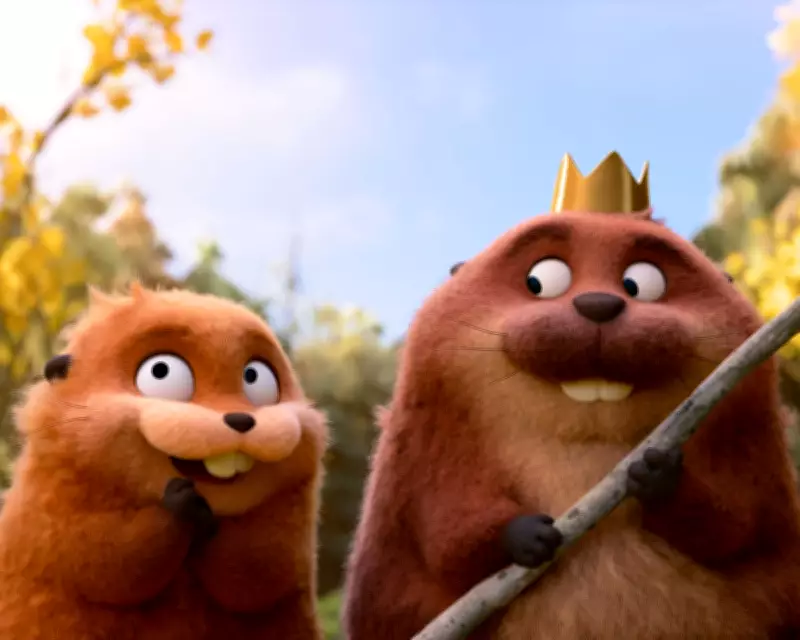
Why Children's Books and Films Surpass Adult Media in Quality
In today's entertainment landscape, children's books and films are increasingly recognised for their superior storytelling and emotional resonance when compared to adult-oriented media. While adult content often focuses on complex themes or gritty realism, children's media excels in delivering timeless narratives that captivate audiences of all ages.
The Enduring Appeal of Children's Stories
Children's literature and cinema possess a unique ability to blend simplicity with profound messages. Books like "Harry Potter" and films such as "Toy Story" have achieved global acclaim not just for their entertainment value, but for their exploration of universal themes like friendship, courage, and identity. These stories often feature well-crafted plots and relatable characters that resonate deeply, fostering a sense of wonder and empathy.
In contrast, many adult books and films can become bogged down by overly intricate plots or cynical tones, which may alienate viewers seeking meaningful engagement. Children's media, by design, prioritises clarity and emotional authenticity, making it more accessible and impactful.

Cultural Impact and Longevity
The influence of children's books and films extends far beyond their target audience. They shape cultural conversations and often inspire adaptations, merchandise, and fan communities that endure for decades. For instance, classics like "The Chronicles of Narnia" or animated films from studios like Pixar continue to be celebrated for their artistic innovation and moral lessons.
Moreover, children's media frequently addresses important social issues in a nuanced manner, such as diversity, environmentalism, and mental health, without being preachy. This approach encourages critical thinking and discussion among young readers and viewers, while also appealing to adults who appreciate the subtlety.
Challenges in Adult Media
Adult-focused books and films sometimes struggle with market saturation and a reliance on tropes like violence or romance to drive narratives. This can lead to repetitive storytelling that lacks the freshness and creativity found in children's media. Additionally, the pressure to cater to niche audiences or follow trends may compromise artistic integrity.
Children's creators, however, often operate with greater freedom to experiment, resulting in innovative formats and genres that push boundaries. From interactive picture books to groundbreaking animation techniques, this sector consistently evolves to engage new generations.
Ultimately, the superiority of children's books and films lies in their ability to transcend age barriers, offering rich, imaginative experiences that enrich our cultural fabric. As audiences seek more meaningful content, the lessons from children's media highlight the importance of storytelling that prioritises heart and humanity over complexity.