New Biography Sheds Light on James Baldwin's Intimate Relationships
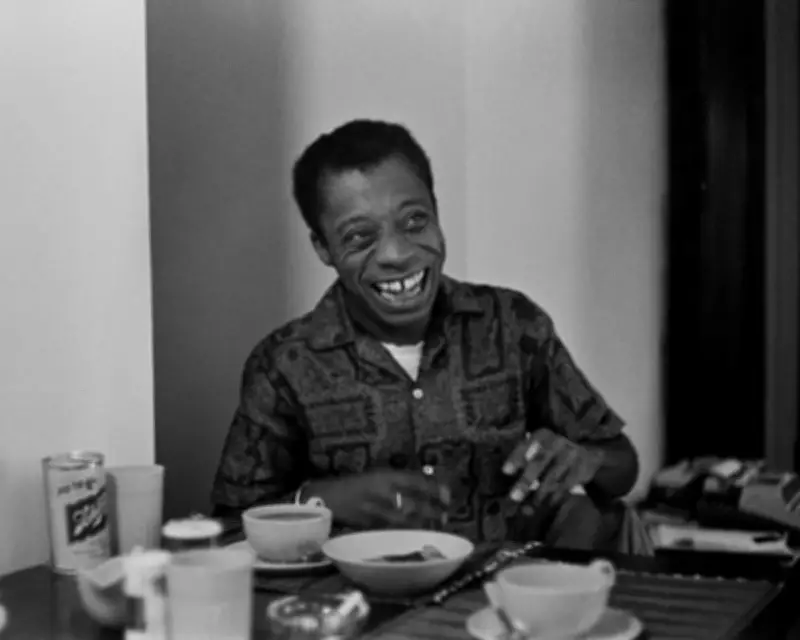
James Baldwin, the acclaimed American novelist and activist, has long been celebrated for his searing critiques of racial injustice, but a new biography by Nicholas Boggs, titled Baldwin: A Love Story, places his sexuality and the men he loved at the forefront. Published by Bloomsbury, this expansive work argues that Baldwin's most intimate relationships were pivotal in shaping his artistic and emotional trajectory, offering a nuanced portrait that moves beyond hagiography.
The Baldwin Revival and Historical Context
Baldwin's legacy, though now assured, faced significant decline after his death in 1987. Critics like Michael Anderson of the New York Times once dismissed his work, including the powerful essay The Fire Next Time, as overly emotional or flaccid. However, the 2016 documentary I Am Not Your Negro by Raoul Peck reignited interest by highlighting Baldwin's prescience on racial issues, though it largely omitted his sexuality. Boggs's biography seeks to fill this gap, building on earlier efforts like David Leeming's 1994 work, which integrated sexuality but often obscured details.
Exploring Baldwin's Central Relationships
Boggs structures his study into four "books," each named after key men in Baldwin's life: Beauford Delaney, his spiritual father and modernist painter; Lucien Happersberger, his first great love; Engin Cezzar, a Turkish actor who drew him to Istanbul; and Yoran Cazac, a French artist previously overlooked. These relationships, Boggs notes, involved straight-leaning men who were equivocal about their attraction to Baldwin, creating a "fetish" for the unattainable that, he argues, fueled his writing by ensuring solitude and heartache.

Through exhaustive research, including recently unarchived letters to his friend Mary Painter, Boggs reveals Baldwin's self-absorption and occasional insensitivity, such as in his inadequate response to Painter's assault. This adds texture to his portrayal, resisting simplistic hero worship and highlighting complexities in his interactions with Black female writers like Nikki Giovanni.
The Turbulent 1960s and Creative Output
Book two, the longest section, delves into Baldwin's prolific yet challenging decade of the 1960s. As his involvement with the civil rights movement grew fractious and his celebrity attracted FBI scrutiny, personal heartaches and public tragedies—like the deaths of Medgar Evers and Martin Luther King—took a toll. Boggs vividly describes Baldwin's relief in Istanbul, where he directed a play, capturing his "teeth-chattering" excitement amid near-fatal stress.
Literary Analysis and Personal Quest
In the final section, Boggs shifts to narrate his own quest to republish Baldwin's children's book Little Man, Little Man and track down Yoran Cazac. This includes interviews with Cazac in Paris, where a poignant moment emerges as Cazac imagines seeing Baldwin outside his window, symbolizing enduring love beyond death. Boggs also provides illuminating analysis of Baldwin's unpublished work No Papers for Mohamet, showing how it served as a creative portal.
At 600 pages, Baldwin: A Love Story offers a comprehensive, ultra-high-definition view of Baldwin's life, from Harlem childhood to his death at 63. It demonstrates how painful but productive tensions in love and sexuality drove his geographic, artistic, and emotional journey, reaffirming his status as a key witness to his era.