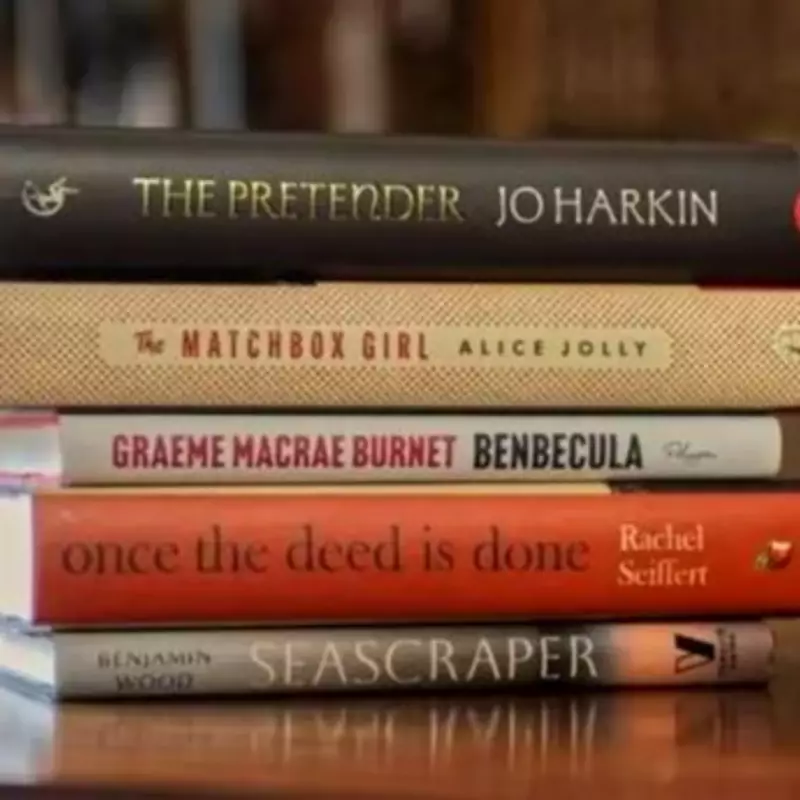
In an unprecedented literary milestone, the prestigious Walter Scott Prize has unveiled its 2026 shortlist, marking the first time in the award's seventeen-year history that every nominated author is British. This historic announcement was made on 16 April from Abbotsford, the ancestral home of Sir Walter Scott, through a video narrated by veteran broadcaster James Naughtie.
A Landmark Selection of British Talent
The five finalists competing for the coveted title are Jo Harkin, Alice Jolly, Graeme Macrae Burnet, Rachel Seiffert, and Benjamin Wood. This year's selection traverses a vast emotional and historical landscape, ranging from bawdy medieval tales to unflinching examinations of twentieth-century Europe.
The Contenders and Their Compelling Narratives
Jo Harkin's The Pretender reimagines the life of Lambert Simnel, the boy who would be king. Judges described this work as a "rich, brilliant, fresh, bawdy novel" that follows its protagonist from farm boy to usurper, kitchen boy, and eventually a "vengeful lothario." They noted that it manages to be both "convincing and very very funny."

In stark contrast, Alice Jolly's The Matchbox Girl offers what judges called a "moving tribute to a lost generation of children under Nazi rule." Centered on a young girl in a 1930s Austrian hospital, the novel provides a sharp examination of Dr. Hans Asperger's legacy while balancing vivid imagining of the beginnings of autism diagnosis with a narrator described as "impossible to forget."
Exploring Darker Territories and Post-War Realities
The shortlist ventures into the dark, gothic territory of the Outer Hebrides with Graeme Macrae Burnet's Benbecula. Set in the mid-nineteenth century, this psychological novella examines a brutal triple murder. The judging panel hailed it as "claustrophobic crime at its very best," noting that it takes its literary lead from early innovators of the modern novel, James Hogg and Robert Louis Stevenson.
Rachel Seiffert's Once the Deed is Done shifts the focus to a post-war displaced persons camp. Judges called this an "outstanding novel" that explores the fate of millions of slave workers in Nazi Germany. They remarked that the book is "full of feeling but without sentimentality" as characters detach themselves from the Nazi state of mind and begin to comprehend the horror of what their country has done.
A Coastal Tale of Small Lives and Big Stories
The final contender is Benjamin Wood's Seascraper, a story set on England's northwest coast focusing on a shrimp shanker named Thomas Flett. Judges lauded Wood as a novelist who proves "small lives make big stories," describing the work as a "rich read, one to be savoured." They highlighted the tension of a life "thirled to a habit" in a landscape of drudging work and treacherous sinkpits.
Anticipating the Winner's Announcement
Literary enthusiasts will not have long to wait for the final result. The winner of the Walter Scott Prize is scheduled to be announced at the Borders Book Festival in Melrose on 12 June. This historic all-British shortlist represents not just a milestone for the prize itself, but a significant moment in contemporary British literature, showcasing the depth and diversity of historical fiction being produced by authors across the United Kingdom.