VisitScotland has shared a list of the most "tricky" place names in Scotland, highlighting destinations whose pronunciations differ from their spellings. The tourism board rounded up seven settlements and landmarks, including ancient castles, islands, and villages.
On Sunday, August 9, the board revealed the roundup on its Facebook page, noting that "in Scotland, our place names can be tricky to pronounce–and you can't always trust the spelling!" The list includes the Isle of Islay, Findochty, and Scone Palace.
The Seven Tricky Names
- Culross, Fife: A historic village and former royal burgh, known for the ochre-coloured Culross Palace with recreated 16th-century gardens. Pronounced 'coo-riss', not 'cull-ross'.
- Isle of Islay, Argyll: The most southern of the Inner Hebrides and fifth-largest island in Scotland, famous for whisky distilleries. Pronounced 'eye-lah'.
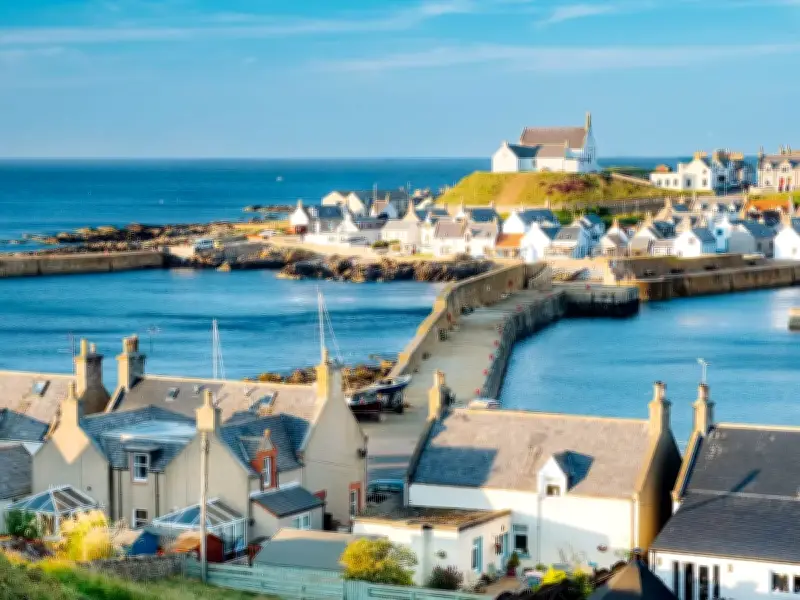
- Findochty, Moray Speyside: A picturesque village on the Moray Firth, with landmarks like Findochty Beach and Harbour. Pronounced 'fin-ech-tee', not 'fin-dock-tee'.
- Culzean Castle, Ayrshire: A grand castle on a cliff overlooking the Firth of Clyde, set in Culzean Castle Country Park. Pronounced 'cuh-lain', not 'cull-zeen'.
- Kirkcudbright, Dumfries & Galloway: A charming harbour town and former royal burgh at the mouth of the River Dee. Pronounced 'kir-coo-bree', not 'kir-cud-brite'.
- Scone Palace, Perthshire: A Category A-listed historic house near the village of Scone, famous as the original home of the Stone of Destiny. Pronounced 'scoon', not 'scon' or 'scoan'.
- Glamis Castle, Angus: A breathtaking castle with a long history. Pronounced 'glamz', not 'glam-iss'.
More information can be found on the VisitScotland Facebook page.