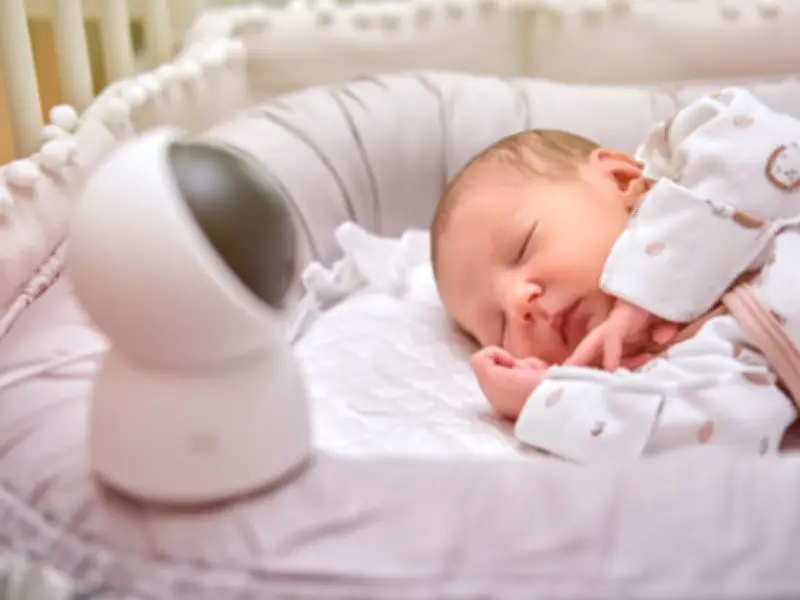
A former paramedic is urging parents to check their baby monitor for a specific sign that could indicate a rare but treatable childhood eye cancer. Nikki Jurcutz, who runs the Instagram account Tonyheartseducation, posted a video warning parents to look for a dark reflection in one eye when using infrared night vision on a baby monitor.
The warning sign
In the video, a baby is shown in a crib with one eye reflecting infrared light normally while the other appears pitch black. This asymmetry can be an early indicator of retinoblastoma, a cancer of the retina that typically affects children under three years old. According to Jurcutz, a mother noticed this difference on her baby monitor, leading to an early diagnosis that saved both the child's eye and life.
What parents should look for
Jurcutz advises that both eyes should reflect infrared light equally on a baby monitor at night. If one eye glows and the other remains dark, parents should seek medical assessment immediately. The same applies to flash photography: if one eye appears white instead of the normal red-eye effect, it warrants a check-up. While a difference in reflection does not always mean cancer—it could be a cataract or other treatable condition—it always requires professional evaluation.
Understanding retinoblastoma
According to the NHS, retinoblastoma is a rare eye cancer that affects the retina. It is most common in children under three and can occur in one or both eyes. Early detection is crucial, as treatment is usually successful when the cancer is found early.
Symptoms to watch for
- A white glow or white reflection in the pupil, visible in low light or in flash photos
- A squint (eyes pointing in different directions)
- Change in the colour of the iris
- Swelling around the eye
- Uncontrolled eye movements
- Vision problems
- Pain in one or both eyes
Children with retinoblastoma may otherwise appear healthy.
When to seek medical help
Parents should request an urgent GP appointment or call NHS 111 if they notice a white glow in their child's pupil, eye swelling, vision problems, eye pain, or uncontrolled eye movements. Early intervention can be life-saving.