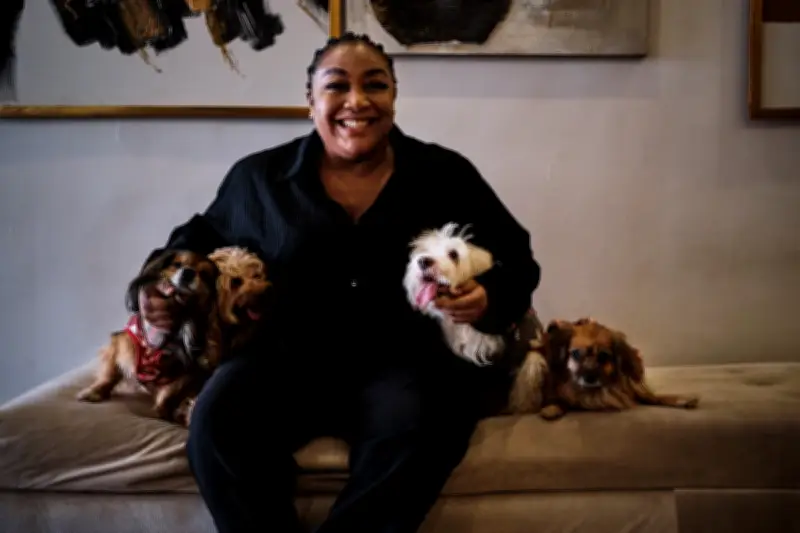
In Nigeria, a cultural shift is underway as more people embrace dogs as companions rather than guard animals or meat. Jackie Idimogu, founder of My Dog and I, leads a movement to promote responsible pet ownership, challenging the long-standing dog meat tradition. 'This is about progress, not rejection,' she says.
Changing Attitudes in Lagos
Every weekend, Izien Aigbodion walks his three dogs in Lagos, drawing stares from neighbors unaccustomed to leashed pets. 'People believe dogs can only follow orders,' he says. 'But living with them reveals their loyalty and empathy.' His ritual reflects a broader shift in Nigeria, where dogs were traditionally viewed as security or food.
The Dog Meat Trade
Dog meat, known locally as '404,' has been a cultural staple in southern Nigeria, sold for £13-25 per kilo in markets. However, rising demand fuels smuggling and health risks, as unregulated slaughter increases zoonotic infections like rabies. Despite this, dog meat remains an affordable protein source for many.
Advocacy and Animal Welfare
Advocates like Idimogu and veterinarian Dr. Mark Ofua work to change perceptions. 'We are not asking Nigerians to abandon traditions, but to adopt compassion and responsibility,' Idimogu says. The Lagos Dog Carnival, now in its seventh year, celebrates the bond between owners and pets. Ofua rescues abandoned dogs and promotes animal health, noting that 'dogs are man's best friend for good reason.'
Health and Legal Context
Nigeria lacks a national ban on dog meat, but the Criminal Code prohibits animal cruelty, though rarely enforced. Rabies kills an estimated 10,000 Nigerians annually, linked to unvaccinated dogs in the meat trade. Ofua warns against introducing spent hunting dogs into markets, citing public health risks.
Youth-Led Change
Younger Nigerians increasingly adopt dogs as pets, with shelters, rescue groups, and Facebook adoption groups growing. Aigbodion's neighbors now stop to ask his dogs' names and stroke them. 'Some admit they never realized how emotional dogs could be,' he says. For vet Sunday Agbonika, therapy dogs help children with special needs, transforming perceptions. 'When a nonverbal child responds, that dog is part of the healing process,' he says.
The shift, driven by personal encounters and advocacy, is reshaping Nigeria's relationship with dogs, moving from fear and utility to empathy and companionship.