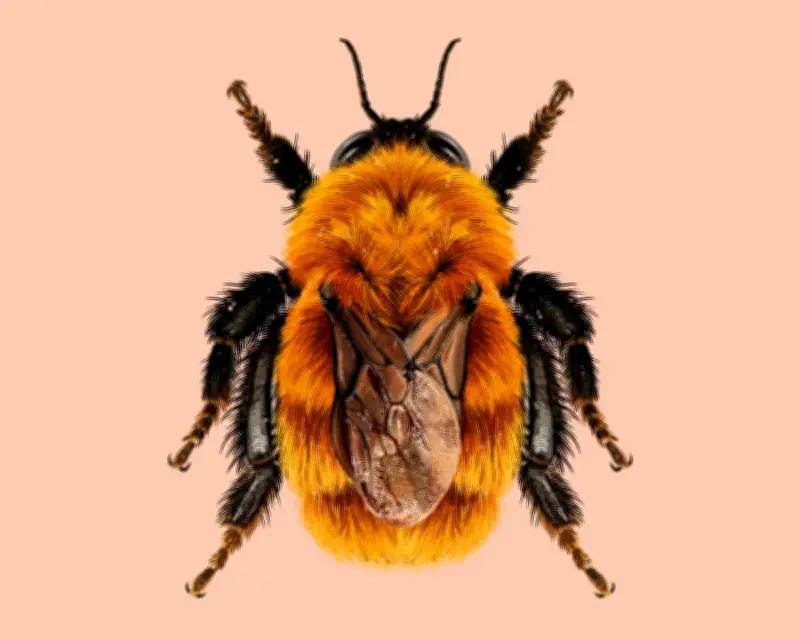
The moscardón bumblebee, a giant ginger bee fondly known as the flying mouse, is a contender for invertebrate of the year. This magnificent insect, Bombus dahlbomii, is the largest bumblebee species, with females reaching 4cm in length and weighing up to 1.5g.
Native to Patagonia
Found in the temperate forests of Patagonia in Argentina and Chile, this bumblebee is an important pollinator of native plants like the Peruvian lily and the Chilean bellflower. Its furry appearance comes from long bristles covering its thorax and abdomen.
Threatened by Invasive Species
Populations have rapidly declined since the introduction of two non-native European bumblebees, the ruderal and buff-tailed bumblebees, imported since the 1980s for commercial pollination. These invasive species outcompete the native bee and bring novel pathogens, decimating its numbers.
The decline affects the entire web of life, from native flowers to endemic mites that live on the giant bee. Invasive bumblebees also help spread non-native plants like broom. Today, the invasive bees are too widespread to be eradicated.
Conservation Efforts
The moscardón received a nomination from researcher Anton Gradišek in Ljubljana, Slovenia, who studies the bee using bioacoustics. He noted, "When we were out in the field, we saw only a handful of them. Bumblebees are the pandas of the insect world, and a mascot for biodiversity conservation."