Chris Dodd: A Legacy of Integrity in Rowing Journalism
Chris Dodd, the revered Guardian rowing correspondent and a pivotal founder of the River and Rowing Museum in Henley-on-Thames, Oxfordshire, has died at the age of 83. His passing marks the end of an era for sports journalism, particularly in the niche of rowing, where he set unparalleled standards for clarity, fairness, and depth.
Early Career and Journalistic Breakthrough
Born in Bristol on 14 February 1942, Chris was the son of Dora and John Dodd, who worked in medical insurance. Educated at Clifton College, where he served as stroke of the school's second eight, he later earned an arts degree from Nottingham University. In 1965, he joined the Guardian in Manchester as a subeditor in the features department, moving to London in 1970 to work on production, including the fashion and women's pages during a transformative period for newspaper layout.
His journalistic journey took a significant turn in 1976 when editor Peter Preston tasked him with redesigning the sports pages, leading to his role as deputy sports editor until 1980. Despite not being a general sports fan, Chris harbored a deep passion for rowing, which he began covering almost by accident in 1969 when the regular correspondent, John Rodda, was unavailable for Henley Regatta finals day.

Setting New Standards in Rowing Coverage
Before Chris's emergence in the early 1970s, rowing journalism was dominated by former oarsmen who often focused on technical aspects and were closely tied to the British rowing establishment. Chris revolutionized this approach with his confidence and elan, crafting stories that emphasized drama and intrigue without fear of controversy.
A prime example was his coverage of the 1987 Boat Race mutiny, where Oxford's men's crew rebelled against their coach's selection policy. Chris reported the event with such impartiality and fairness that the crew later sought his advice on public relations. However, adhering to strict journalistic ethics, he declined, stating it would be unethical as an observer rather than a participant. This stance exemplified the integrity that earned him widespread respect among rowers and colleagues alike.
Founding the River and Rowing Museum
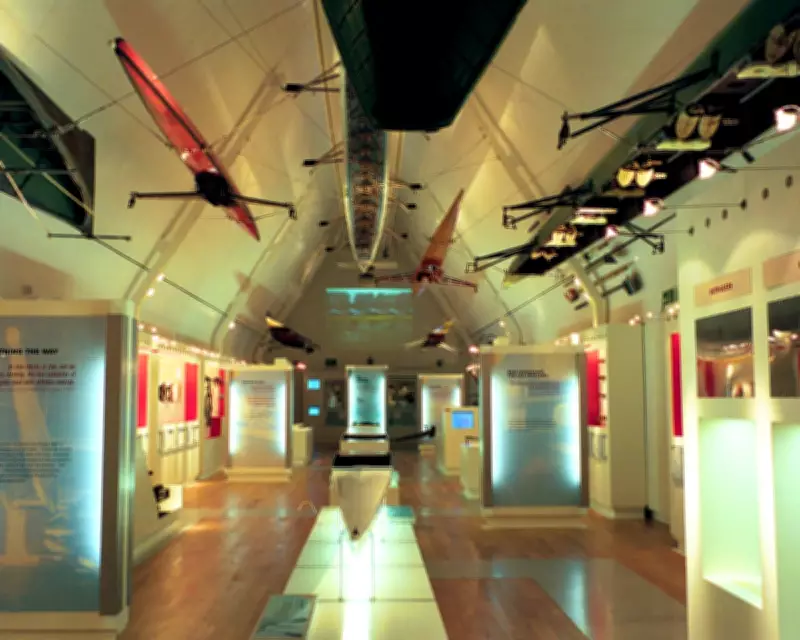
Chris's most enduring achievement was the creation of the River and Rowing Museum in Henley-on-Thames. He first conceived the idea in 1984, driven by a desire to establish an institution that properly narrated the story of the sport he loved. Over the next decade, he leveraged his networking skills to assemble a team of visionaries, secure funding, and curate collections, culminating in the museum's opening in 1998. He served as its curator and rowing historian emeritus, though the museum closed last year due to economic challenges—a fact that does not diminish his monumental contribution.
Influence and Later Works
Chris went freelance in 1994 to focus on the museum but continued writing for the Guardian until 2003 and contributed to obituaries thereafter. His distinctive style inspired a new generation of rowing journalists, including Rachel Quarrell and Hugh Matheson, with whom he collaborated on projects such as the online magazine Rowing Voice in 2006 and the biography More Power: Jurgen Grobler – The Most Successful Olympic Coach of All Time in 2018. Other notable works include The Oxford and Cambridge Boat Race (1983) and The Story of World Rowing (1992).
He also made history as the first editor of Rowing and Regatta magazine in 1987 and was a founder member of World Rowing's media commission in 1990. Despite battling Parkinson's disease for many years, Chris remained lucid until his death on 25 January 2026. He is survived by his long-term partner, Liz Ransley, whom he met at Nottingham University.
Chris Dodd's legacy as a journalist, author, and museum founder is cemented by his unwavering commitment to truth and his profound impact on rowing culture. His work continues to resonate, ensuring that the story of rowing is told with the depth and respect it deserves.