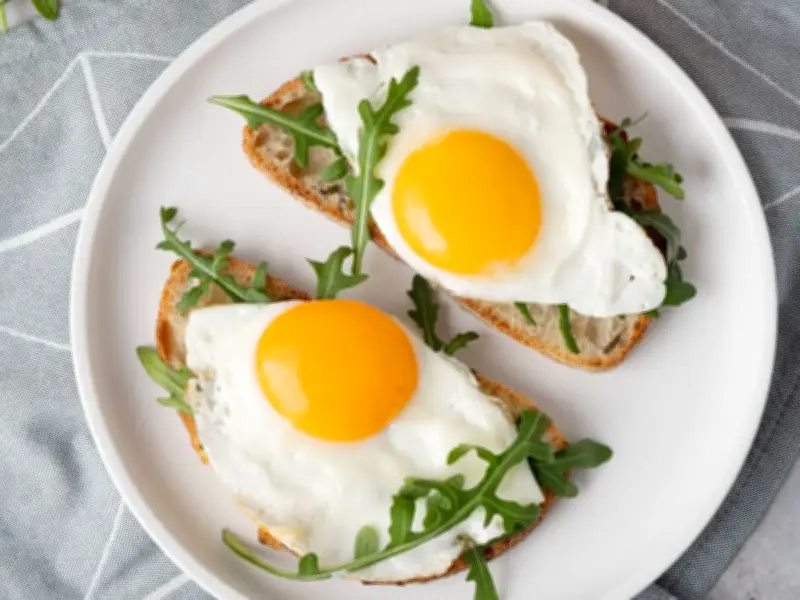
Chefs have revealed the insider technique for achieving restaurant-quality fried eggs at home, and the advice boils down to a simple three-word step: don't skip butter.
Fried eggs are a timeless and much-cherished way to enjoy eggs, prepared in numerous ways—whether with a runny yolk, crispy edges, or turned over. While they are among the easiest dishes to prepare at home, there is frequently a noticeable difference between those cooked at home and those served in restaurants. Several chefs shared their techniques, and all agreed on one crucial step: using butter during cooking.
Butter is the essential ingredient
Jesse Kempner, head of food at Mindful Chef, said: "Don't skip the butter! I always combine butter and oil in the pan, the butter provides the richer delicious flavour, while the oil prevents it from burning to quickly. Adding a bit of sage towards the end of cooking to turn crispy in the butter will also add that restaurant-quality edge."
Kempner emphasised that fresh eggs are "vital," and for crispy edges, a higher heat is needed. She said: "I like this technique particularly when I'm frying an egg to top an Asian-style dish (like a bibimbap), but it creates both a great caramelised, nutty flavour and a delicious crispy texture, perfect for any recipe. All the best brunch spots are doing this!"
Chefs' techniques for perfect results
Mimi Morley, senior recipe development manager at HelloFresh, also advocates for butter when frying eggs. She said: "Get your pan relatively hot with a little oil or butter, then spoon it over the yolk to cook the top without flipping. It's far less risky and stops you ending up with snotty yolk. I prefer butter as it helps the edges get nice and crispy while adding more flavour."
She added: "You can even make miso butter by mixing a little white miso paste into softened butter, then adding a small knob to the pan instead of regular butter. It's so good with fried eggs. It gives them a lovely savoury, almost nutty flavour."
Sergio Martins Abreu, head chef at The Petersham Hotel in Richmond, shared: "A great fried egg is about controlling the heat. I start with a fresh egg and a non-stick pan over a medium low heat adding a knob of butter and a small splash of rapeseed oil (you can do with olive oil but better with rapeseed oil as the flavour of the egg will change with olive oil)."
He continued: "Once the butter is gently foaming, I crack in the egg and let the white set slowly. A little chef's trick is to tilt the pan and baste the white with the warm butter keeping it away from the yolk, so it stays golden and runny. Listen to the pan, you want a gentle sizzle, never an aggressive crackle. If the egg is spitting and the edges are browning too quickly the heat is too high. Finish with salt and pepper."
Cookbook author and founder of Woolf's Kitchen, Dominique Woolf, explained that managing the temperature by heating the pan before introducing the egg is crucial. She said: "I love a fried egg with crispy, golden edges and a runny yolk. My tip is to heat the pan before adding the egg. You don't need loads of oil, just enough to lightly coat the base of a good non-stick frying pan. Once the oil is hot and shimmering, carefully add the egg. It should sizzle straight away."
She added: "Leave it to cook undisturbed so the edges turn golden, then lower the heat if needed to let the white set without overcooking the yolk. I always finish with a spoonful of Chilli Crunch added just before serving. The combination of salty, crunch, heat and a little sweetness is delicious with the rich yolk."