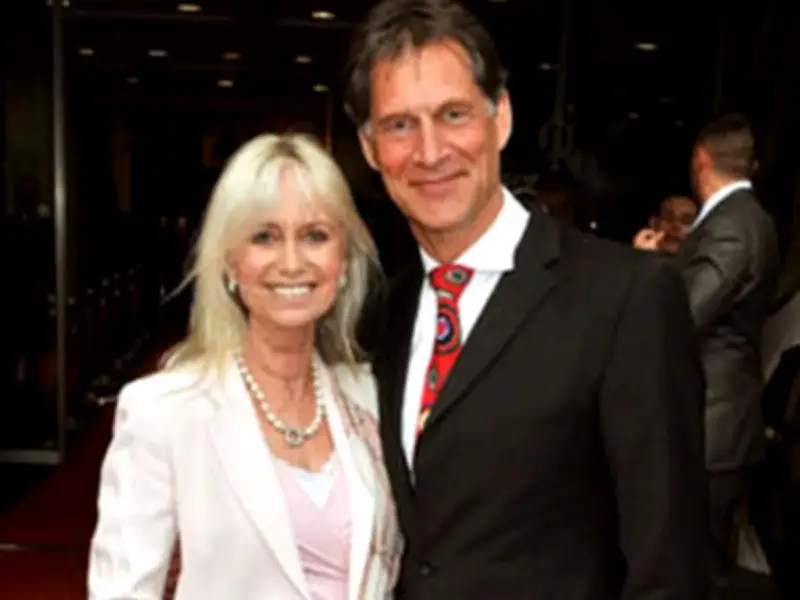
Simon MacCorkindale, best known for playing Harry Harper in the BBC drama Casualty, died in 2010 aged 58 after a secret battle with cancer. He was diagnosed with bowel cancer in 2006 and later learned it had spread to his lungs.
Career highlights
MacCorkindale first appeared on television in 1974, with parts in I Claudius and Jesus of Nazareth. His breakthrough role came in the 1978 film Death on the Nile. He also appeared in Quartermass, The Riddle of the Sands, The Sword and the Sorcerer, and Jaws 3-D.
He starred as the lead in the short-lived TV series Manimal and later reprised the role in Night Man. He played lawyer Greg Reardon in an American prime-time soap opera. During the 1980s and 1990s, he also directed and produced stage and TV productions, including Stealing Heaven.
Casualty role
After a three-year stint as Peter Sinclair in Counterstrike in Canada, MacCorkindale returned to the UK and joined Casualty in 2002 as Harry Harper, who ran the emergency department at Holby City Hospital. He remained in the role for six years, until his character was forced to resign in 2008.
Health battle
In 2006, MacCorkindale was diagnosed with bowel cancer. He had surgery to remove tumours during a two-week break from filming. He and his family were thrilled when he was told the cancer had entered remission. He said at the time: "It came as a complete bombshell."
Just a year later, he was told the cancer had spread to his lungs. He did not tell his colleagues about his diagnosis, though he later admitted it felt "surreal" when he had to tell patients on the show they too were battling the disease. He said in 2009: "The doctor said I had lung cancer – me, who never smoked a cigarette and always tried to live a healthy lifestyle. He said it was incurable. It was such a body blow my mind went numb."
He added: "I don't want people to think that I'm pale, losing my hair, losing weight and on the way out. I'm not. I'm as active as I've ever been."
MacCorkindale, married to actress and producer Susan George, said: "We are very private people and wanted to deal with it on our own. We thought no one needed to know because, for the first year or so, we didn't think it was that serious."
He travelled to the United States for experimental treatments, which had limited success. In November 2009, he publicly announced that his cancer was terminal. He died on October 14, 2010.