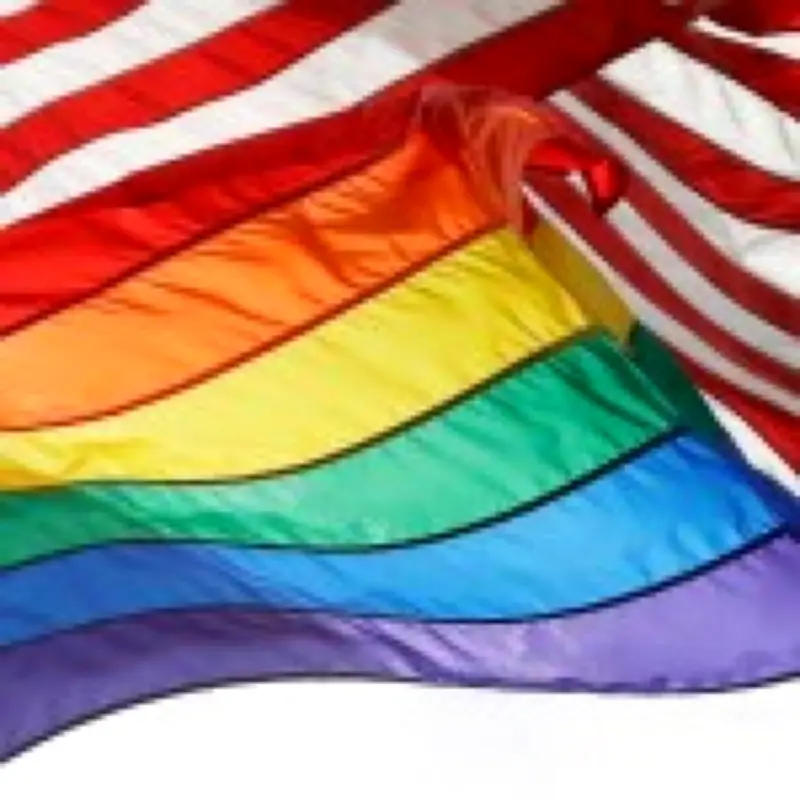
Several US states have decided to rebrand Pride Month to reflect more conservative values, marking a significant shift in LGBTQ+ visibility. Utah was among the first to scale back visible support for Pride, introducing a ban last year on flying rainbow flags at government buildings and schools. Now, Indiana and Tennessee have declared June 'Nuclear Family Month' – celebrating families made up of 'one husband, one wife, and any children'. Arkansas has joined Utah in calling it 'Fidelity Month', stressing the importance of faith, country and family. Meanwhile, Alabama has opted for 'Strong Families Month'. To mark Father’s Day, Governor Kay Ivey stated that dads should be seen as the 'head' of the household. In her proclamation, the 81-year-old said: 'Homes led by a father and mother provide children with the structure and discipline necessary to succeed throughout life'.
Historical Context of Pride
Pride traces its roots back to New York following the 1969 Stonewall riots, when LGBTQ+ people fought back against a police raid at the Stonewall Inn — a turning point in the modern gay rights movement. Since Donald Trump returned to office, several states have scaled back Pride celebrations and LGBTQ+ initiatives, raising fears that political tensions could dampen this year’s events. Earlier this year, his administration removed the Pride flag from the Stonewall National Monument. It has been seen by many as a symbolic swipe at the US’s first national monument to queer history. The National Park Service, which runs the site opposite the Stonewall Inn in Manhattan’s Greenwich Village, said it was complying with recent guidance that prohibits the flying of 'non-agency flags' with no exception for historical, military or tribal flags. In February 2025, almost all mentions of trans and queer people were removed from a website for the Stonewall National Monument. The NPS told Metro at the time that it did so to comply with orders from US President Donald Trump that federal agencies only recognise two genders, male and female.
The Stonewall Uprising
On June 28, 1969, after years of unjust treatment, members of the LGBTQ+ community fought back against police persecution. It was expected that gay bars would be raided, with police given the authority to arrest those committing homosexual acts, or demand that people observe a 'three-piece law.' This law allowed them to arrest people – usually drag queens and kings, trans women and trans men – who were wearing more than three articles of clothing not ascribed to their gender assigned at birth. On the night police raided the bar, as had become normal, the reaction was different. An uprising took place, followed by three nights of protests and civil unrest as LGBT people, long frustrated by police brutality, finally joined in fighting back. Lesbians and trans women of colour were some of the key people involved in the first act of defiance and resistance, including Stormé DeLarverie, Sylvia Rivera, and Marsha P. Johnson, who many credit with spearheading the modern equal rights movement.

Connection to Judy Garland's Funeral
It falls more under an urban legend than fact, but for years many have said that the LGBTQ community was already fraught with emotion following the funeral of gay icon Judy Garland on June 27, 1969. With emotions running high, some believe this could have led to a stronger reaction to the raids.

Importance of Stonewall Riots Today
The Stonewall Riots are important as many trace this event as the spark that ignited the modern LGBTQ+ rights movement. At the time, the Stonewall uprising took place in the context of broader civil rights movements. The Revolutionary People’s Constitutional Convention in 1970 was a key moment in which activists from Black Power, feminist and gay liberation movements came together, saw a common cause, and learned from each other. The Gay Liberation Front (GLF) was the main organisation that formed out of the Stonewall uprising and these wider movements. The GLF first formed in the US and was part of the original discussions to create the first Pride, which took place on June 28, 1970, in New York City, a year after the Stonewall riots. Some UK activists were involved in some of these key moments in the US movement, and they came back to Britain to form a British chapter of the Gay Liberation Front, with the first UK Gay Pride Rally taking place a few years later on July 1, 1972, in London – making 2022 50 years since UK Pride began. It was because of the riots that these groups learned that standing together and protesting could lead to change.