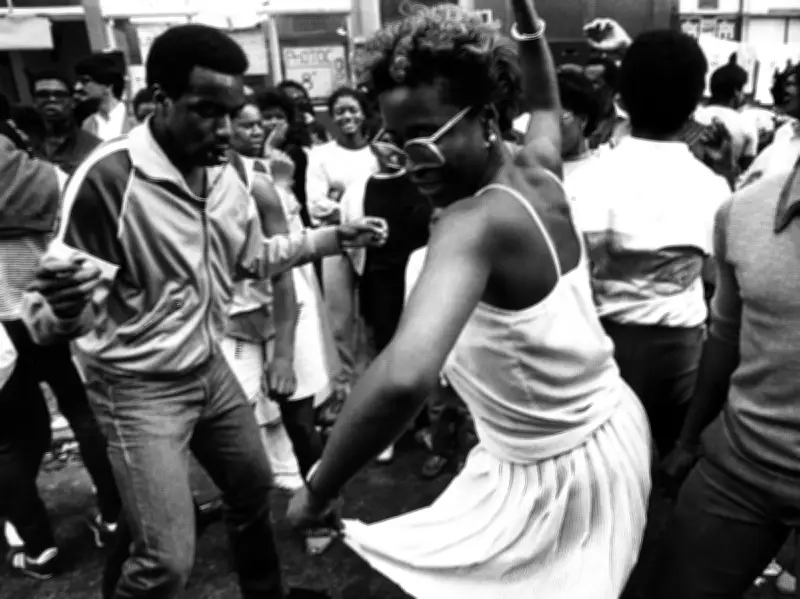
Notting Hill Carnival, Europe's biggest street party, returns on August 29-30, but its euphoric celebrations mask a traumatic racial history that is often overlooked. The event stems from the 1958 race riots and the subsequent efforts of community activists to uplift the area's West Indian community.
Roots in the 1958 Riots
In the 1950s, Notting Hill was extremely deprived and home to a large West Indian community following the arrival of the SS Empire Windrush in 1948. It was also a stronghold for Oswald Mosley's far-right Union party, which included extremist young white men and Teddy Boy gangs who routinely targeted the West Indian community.
On 29 August 1958, Majbritt Morrison, a white Swedish woman, argued with her Jamaican husband Raymond outside Latimer Road tube station. A fight broke out, and the following day Majbritt was assaulted by a gang of white Teddy Boys who hurled racial insults. This sparked some of the worst racially motivated violence the UK has ever seen, with hundreds of young white men throwing home-made firebombs at black residents' houses.

Violence and Official Denial
The first night left five black men unconscious on the streets. The violence raged for five days over the bank holiday weekend as the black community responded with counterattacks. Senior Metropolitan police officers dismissed the violence as the work of "ruffians, both coloured and white," but confidential police files released in 2002 confirmed that the unrest was overwhelmingly instigated by 300 to 400-strong "Keep Britain White" mobs, many armed with iron bars, butcher's knives and weighted leather belts.
PC Richard Bedford testified he saw a mob shouting: "We will kill all black bastards. Why don't you send them home?" PC Ian McQueen was told: "Mind your own business, coppers. Keep out of it. We'll murder the bastards."
From Tragedy to Celebration
In January 1959, Trinidadian-born activist Claudia Jones organised a Caribbean Carnival at St Pancras Town Hall, featuring a steel band, masqueraders, calypso performers and a Carnival Queen competition. After the racially motivated killing of Kelso Cochrane in May 1959, community activists Rhaune Laslett and Andre Shervington organised a street fayre in 1966, which turned into a carnival procession when Russell Henderson's steel band went on a walking tour. Combining elements from Jones's celebration, it formed what we now recognise as Notting Hill Carnival.
Modern-Day Reminders of Inequality
Today, Notting Hill is one of the most affluent areas in the country, a microcosm of gentrification that has pushed out many original residents. Grenfell Tower looms over the parade route, a stark reminder of ongoing inequality. Of the residents who died in the 2017 fire, 85 per cent were ethnic minorities. The organisers will almost certainly pay tribute to the victims during the parade, as they have done in recent years.