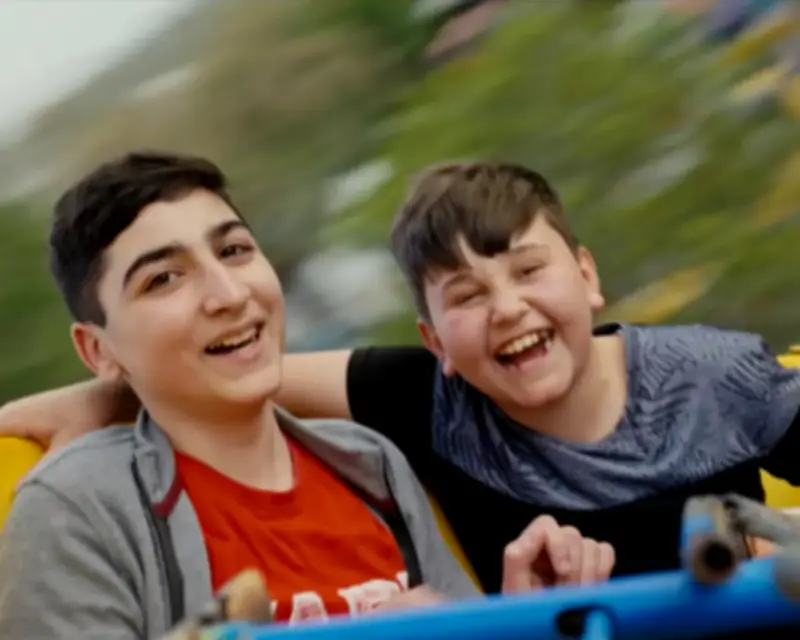
The Black Garden, a new documentary, offers a haunting study of childhood shaped by the war in Nagorno-Karabakh. The film follows young lives unfolding against a backdrop of conflict, capturing moments of both resilience and profound loss.
Intimate portrait of conflict
Through intimate, unflinching footage, the documentary avoids broad historical narration, instead focusing on the daily realities of its subjects. The children’s perspective lends the film a raw immediacy, as playgrounds and classrooms give way to bomb shelters and checkpoints.
The director’s restrained approach allows the images to speak for themselves, creating a sense of quiet devastation. The film’s power lies in its refusal to sentimentalise, presenting the harsh circumstances without melodrama.

Loss and resilience
As the conflict escalates, the documentary charts the disintegration of normal life. The children’s games and friendships are interrupted by the sounds of shelling, and their world shrinks to the confines of a conflict zone.
Yet amid the destruction, moments of resilience emerge. The film captures small acts of kindness and defiance, highlighting the human capacity to endure. It is a study not just of war, but of the enduring spirit of its youngest victims.
A lasting impression
The Black Garden leaves a lasting impression, its images lingering long after the credits roll. It serves as a powerful reminder of the human cost of conflict, seen through the eyes of those who inherit its consequences.
The film stands as a significant contribution to the documentary canon, offering a perspective rarely seen in mainstream coverage of the region. Its haunting portrayal of lost childhood is both a lament and a testament to survival.