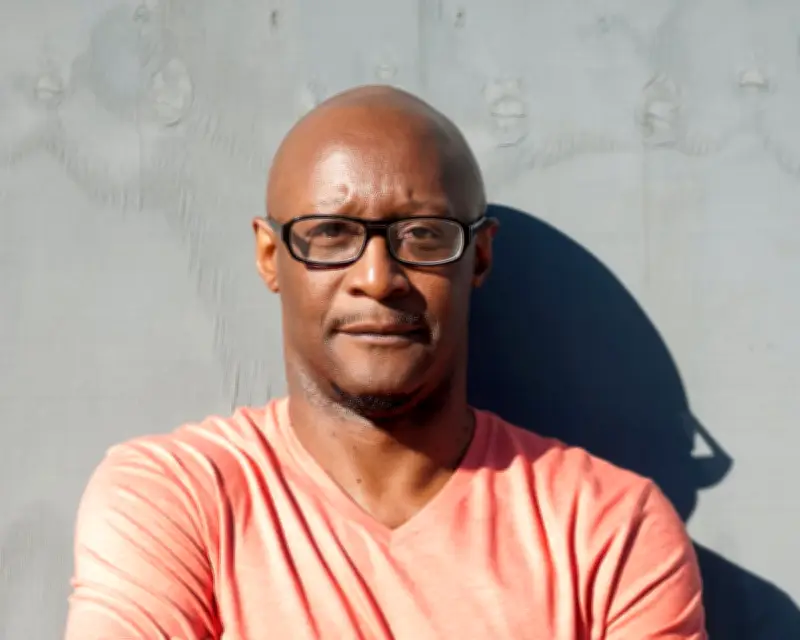
Courttia Newland's essay collection The Art of Opposition is a bold and eloquent call for artists of color to exercise their autonomy in a world of gatekeepers. Drawing on his substantial experience as a novelist, screenwriter, and playwright, Newland emphasizes “the greater goal of saying what we mean” in the face of commercial imperatives and dismissive industry attitudes.
Context and Inspiration
Newland's collection echoes the impact of Kwesi Owusu's 1988 anthology Storms of the Heart, which documented Black diasporic arts in postwar Britain and pushed back against marginalization. Newland provides a similar space for Black or “othered” creatives to feel supported and understood, serving as a counter to mainstream pressures. His own early success with The Scholar—a gritty “urban” novel set on a west-London council estate—was better received than the experimental, Afrocentric science fiction he wanted to write, exemplified by his 2021 novel A River Called Time.
Key Themes and Essays
In the essay Unseen Object/Observed Subject, Newland reflects on criticism of the TV drama Top Boy as “roadman drama” or “trauma porn,” a complaint also made about his own work. He argues that the truth of a depiction should be paramount, recalling an inmate at Wandsworth prison who implored him: “Please don’t stop writing about us” – “a vow I’ve kept ever since.”

Newland writes: “Artists of colour consistently find our manner of thinking and feeling assailed and denied by how others imagine us, or what they need our art to do for them.” He stresses the importance of Black artists being reviewed by critics who understand “where our cultural expressions stem from, who we are.” The collection is divided into four sections, covering literary and cultural criticism, including an appreciation of Percival Everett, whom Newland relates to for his experimentation against racial reductionism: “Everett was a writer ignored by the industry because he was not considered Black enough. I’m an author who considers himself ignored by the industry because my work is too Black.”
Broader Cultural Commentary
Other essays examine British rapper Roots Manuva, the failure to include writers of colour in discussions of working-class literature, and connections between dub music and science fiction. Newland consistently relates the craft of writing with devotion and positivity. At a time when the arts are under attack and political progressiveness is demonised as “wokeism,” this collection feels much needed. “Whenever hate-inspired mainstream culture grows, countercultures quite often take their rightful place to become sites of opposition,” Newland writes.
The Art of Opposition: On Hope, Resilience & Creative Expression Beyond the Mainstream by Courttia Newland is published by Faber (£16.99).