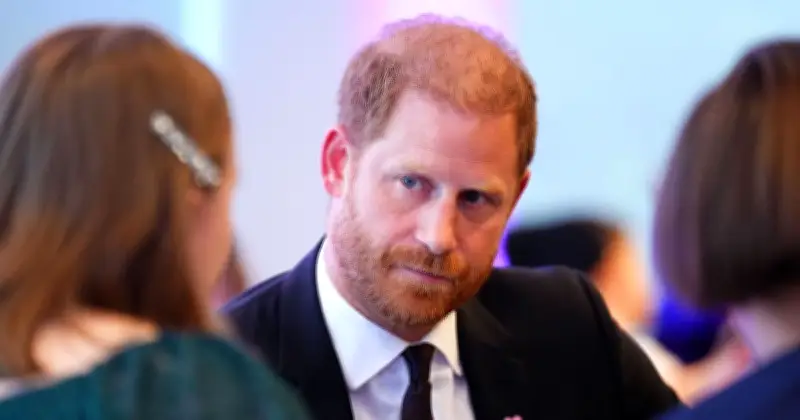
Prince Harry has appeared in a MasterClass video with neuroscientist Dr Mary-Frances O’Connor, discussing grief and mental health. The content has been described as touching and helpful.
In the video, Harry speaks about the death of his mother, Princess Diana: "I actually slipped into depression for about two weeks, and I felt like I couldn’t function without adrenaline." Dr O’Connor adds: "Your brain doesn't register your loved one as gone - it registers them as lost. And it will keep searching until you teach it otherwise. We still expect that they're going to walk through the door."
Reported payment for the video
According to Forbes, instructors on MasterClass can expect an upfront payment of at least £75,500 and 30% of any subscription revenue generated. A spokesperson for the prince confirmed he was paid, adding: "I'd encourage everyone to watch it before casting any judgement."
The spokesperson also said Harry should not be criticised for "speaking from the heart", according to the Daily Mail.
Public perception concerns
Express columnist Adam Toms argues that if Harry truly cares about grief and mental health, he would have done the video for free, rather than taking the money. Toms suggests this could play into accusations of grifting levelled at Harry and Meghan since they stopped being working members of the Royal Family in 2020.
Some may even think he is exploiting the memory of his mother and the sympathy people feel for him over her tragic death. Aside from morality, Toms notes it is an extremely poor look from a public relations point of view and will not win the public around.
Polling on public opinion
YouGov polling suggests 58% of Brits see Harry in a negative light, and 65% dislike Meghan. Toms concludes that if they keep acting in such a naive manner, the Duke and Duchess have no hope of getting into royal fans' good books again. He advises that if offered lots of money for doing very little, they don't have to say yes, and saying no more often might be the smartest thing they can do.