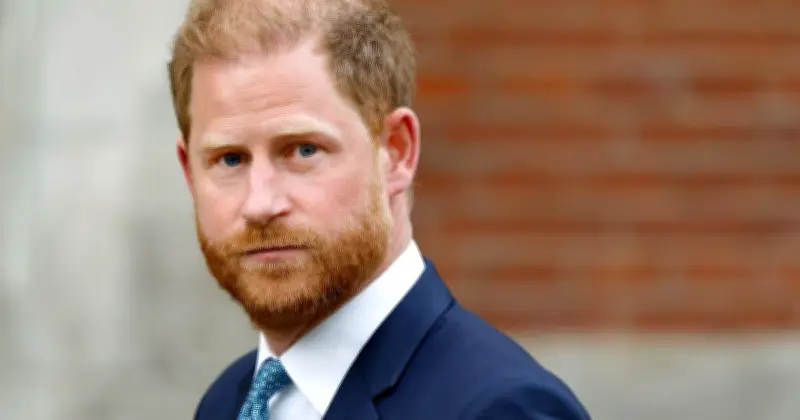
Prince Harry is reportedly taking part in an upcoming BBC documentary exploring race relations in the UK, alongside Baroness Doreen Lawrence of Clarendon. The Duke, 42, is understood to have contributed to the planned programme in collaboration with the Baroness, with whom he stood trial earlier this year in a failed lawsuit against Associated Newspapers.
Collaboration with Baroness Lawrence
The 73-year-old Baroness became a public figure through her campaigning after her son Stephen was killed in a racially motivated knife attack in 1993. While the extent of the Duke's contribution to the documentary is unclear, sources have confirmed his collaboration both with the Baroness and the BBC, reports The Telegraph.
The upcoming project comes months after the pair were ordered to pay a hefty legal bill to the Daily Mail publisher after losing their lawsuit. Prince Harry and six other public figures faced paying up to £34.5million to the publisher after a High Court judge imposed an exceptional order for legal costs over their failed case. They had insurance to cover up to £16.2million in the event of a loss.
Failed lawsuit details
The high-profile figures, including Sir Elton John and Liz Hurley, alleged that journalists had hacked their phones. Baroness Lawrence alleged that her phone was tapped and voicemails hacked. However, Mr Justice Nicklin dismissed all 97 claims against the publisher in a High Court ruling in July, stating that the evidence did not support the claims.
In a joint statement following the judge's ruling, Prince Harry and Baroness Lawrence said: "We came to court seeking justice and accountability. But we have received neither. It is a complete and obvious whitewash, but sadly not altogether unexpected."
Public figures status
The latest project comes as the Duke and Duchess of Sussex reportedly want to be known as public figures in the UK, rather than "private citizens". The couple reportedly did not agree with being known as "private citizens", as confirmed in a letter sent on behalf of the King to senior government and military officials. This is because they reportedly feel like remaining public figures would "acknowledge that, on a personal level, they remained members of the Royal Family, despite no longer receiving public funding".