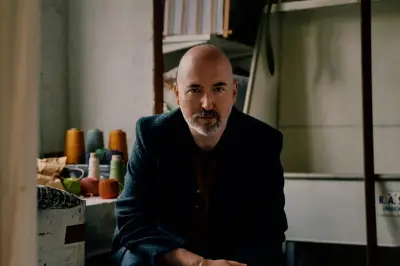
Nicknames preserve people at their most human, catching them in a ridiculous moment that revealed something true, according to award-winning editor and journalist Hannah Jones. Writing for WalesOnline, she reflects on the enduring power of nicknames, particularly in Welsh communities where emotional honesty is traditionally disguised beneath mild mockery.
The pub as a nickname ecosystem
Jones grew up in a pub over 150 years old in Gwent, an ideal environment for nicknames. Regulars were never called by their real names, which were seen as decorative and administrative. Instead, aliases were on tap alongside the beer.
Her father treated nicknames as both an art form and public duty, renaming people after a single glance. Examples included Dai Nice Coat, who had one, and Toyota Dai, who drove one. Others required context, such as 18 Months, who was left with half an ear after a feisty night out.
Nicknames overtake reality
Jones notes how quickly a nickname overtakes reality. A person can build a respectable life yet remain permanently known as Spud because of one request for a jacket potato during a work meal. Nicknames, she argues, drag people back down to earth and resist modern obsessions with reinvention.
You cannot give yourself a nickname, though some try. Communities respond ruthlessly, such as the man who wanted to be called Ace but became Carpet Dave after selling lino for six months in 1994. School nicknames were even more brutal, with children possessing the observational cruelty of medieval court jesters.
Welsh communities and parallel identities
The Valleys excel at nicknames because communities operated like giant, interconnected families. With many men called Gareth Jones, nicknames became a practical necessity. In one pub there were multiple Dais, several Mikes, and many men called Glyn, leading to distinctions like Big Dai, Little Dai, Fat Dai, Dai Builder, Dai No Socks, and Dai Dai.
Nicknames also exist for places, such as Teletubby Hill in Burry Port, Crazy Mary's Hole in Pakefield, and Chippy Lane in Cardiff. Some nicknames make no sense, like a man universally known as Portugal, whose origin nobody could remember.
Affection beneath the mockery
Jones believes nicknames are rarely entirely cruel. Mocking yes, but underneath there is usually affection. She suggests the real danger is silence, and that a Welsh community stopping teasing altogether would be a cause for concern.
She contrasts this with modern life, where people perform versions of themselves online. Social media gives everyone usernames, but few actual nicknames. Usernames are chosen; nicknames are appointed, carrying a special kind of honour.
Jones concludes that nicknames represent acceptance and inclusion, proof that a person exists vividly in communal memory. She suggests the country would improve if LinkedIn endorsements were replaced with pub nicknames, calling them far more honest.