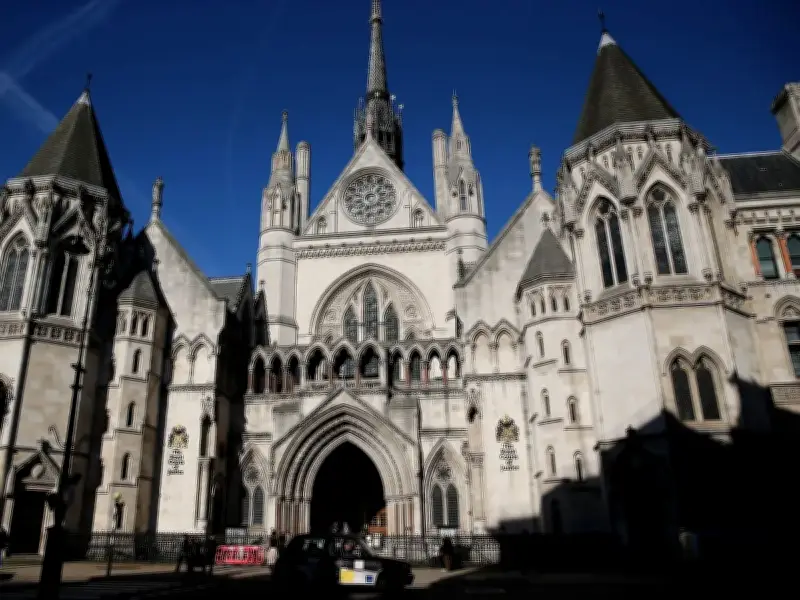
A High Court judge is set to rule on Tuesday on whether a well-known man can block two media organisations from publishing allegations of sexual misconduct that he denies, after his lawyers argued the reports could drive him to take his own life.
The unnamed man, who cannot be identified, is seeking an injunction against Independent Television News (ITN), which produces news programmes for ITV, Channel 4, Good Morning Britain and Channel 5, and Guardian News and Media (GNM), publisher of The Guardian.
Allegations and Legal Arguments
Lawyers for the media organisations told the High Court in London that the allegations involve the man's alleged “abuse of power and status” to contact young women and try to engage in “inappropriate and exploitative sexual activities”. The man denies the claims.
Sara Mansoori KC, representing the man, said publication “would have a potentially fatal impact”. She told the court: “The only reason they would not be fatal is because the claimant would be locked up and prevented from his desire to end his life.” In written submissions, she said this was not a case of someone “spuriously” claiming mental health concerns, and that the claimant “has no intention of returning to public life”.
Media Response and Public Interest
Gavin Millar KC, for ITN and GNM, said the case risks “dragging judges into assessing the causes of suicidal ideation, which are for professionals and not for a judge”. He added: “The obligation falls on the hospital to keep him safe, and that's that.”
He later said: “Plainly the proposed publication would make a valuable contribution to a debate of public importance, about men using their power to be able to misconduct themselves against women in that area of society.” The barrister added in written submissions that the allegations were gathered after “a wide-ranging and rigorous investigation” and that there was a “strong” public interest in publishing them.
Decision and Potential Appeal
Mr Justice Nicklin is to give his decision during a hearing at 2pm. Media lawyer Alex Wilson, partner at RPC, said Tuesday's decision may not be “the end of the story”.
Mr Wilson said: “This landmark case raises an extraordinary question about press freedom: can the right to life be used to prevent the publication of serious allegations in the public interest?” He added that if the injunction were granted, it would be likely to be “quite an exceptional precedent given the seemingly exceptional nature of the evidence”.
He said there is “a reasonable concern amongst the media that individuals could cite this decision, and the potential impact of a potential damaging article about them, to try and prevent publication”. He added: “But, given how novel this case is and how much is at stake, I wouldn't be surprised if the unsuccessful party seeks to appeal. I certainly wouldn't expect this decision to be the end of the story.”