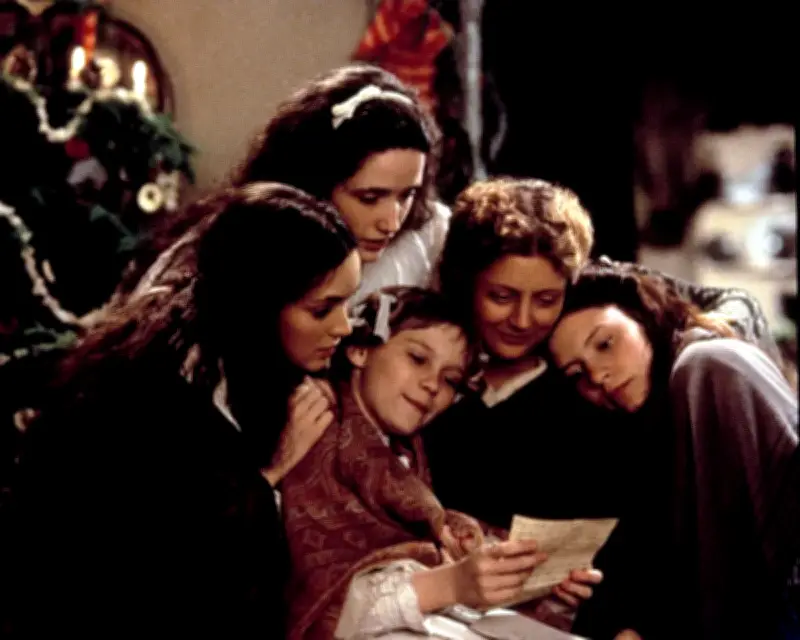
The 1994 adaptation of Little Women, directed by Gillian Armstrong and starring Winona Ryder, continues to be hailed as a quintessential feelgood movie. While Greta Gerwig's 2019 version earned widespread praise, many viewers still return to the earlier film for its warmth, charm, and timeless appeal.
A Beloved Classic
The film, based on Louisa May Alcott's novel, follows the March sisters—Jo, Meg, Beth, and Amy—as they navigate love, loss, and sisterhood in Civil War-era America. Ryder's portrayal of Jo March, the fiercely independent aspiring writer, struck a chord with audiences and earned her an Academy Award nomination for Best Actress.
Why It Endures
What sets the 1994 version apart is its cozy, intimate tone. The performances, including Susan Sarandon as Marmee and Christian Bale as Laurie, bring a warmth that makes the story feel personal. The film's gentle pacing and emphasis on family bonds offer a comforting escape, making it a go-to choice for viewers seeking a cinematic hug.

Impact and Legacy
The movie's enduring popularity is evident in its continued presence in discussions of comfort cinema. It has inspired countless viewers to revisit Alcott's novel and has become a touchstone for period dramas. For many, it remains the definitive screen version of Little Women, a film that never fails to lift the spirits.