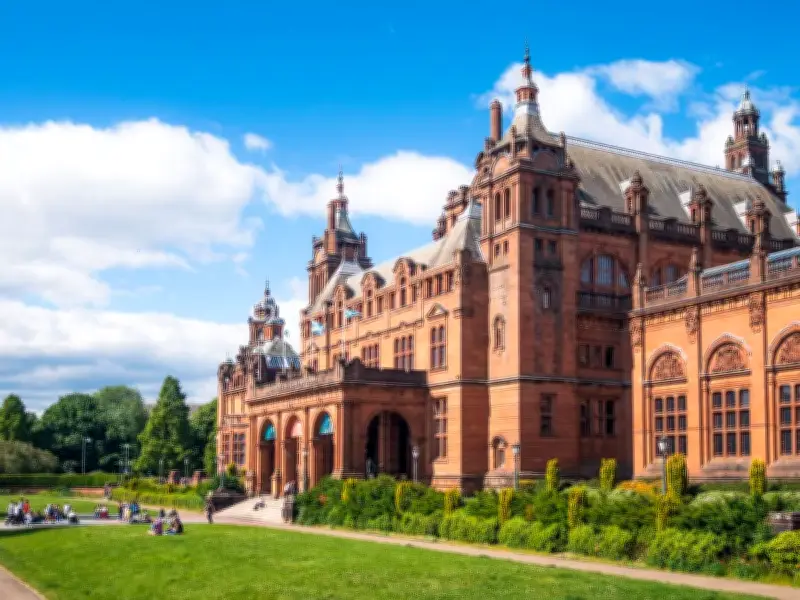
Mummified remains removed from display at Kelvingrove Museum in Glasgow due to a lack of “informed consent” could be returned to Egypt after a repatriation request. Glasgow Life, which operates the museum, confirmed it has received a request to return the remains of the priest Nekht, which were displayed in a painted coffin.
Removal from display
Human remains are no longer on show in the Egyptian section of Kelvingrove, as it is “more respectful to the deceased individuals” in the absence of consent, Glasgow Life said. The museum operator could not confirm who made the repatriation request, which was first reported in The Sunday Post.
A mummified male head, mummified right foot and mummified right hand recovered from the Valley of the Kings, Luxor, have also been removed from public view. Work to remove archaeological human remains from the History Discovery Centre and the Scotland’s Early People gallery at Kelvingrove is under way.
Museum practice and policy
A spokesperson for Glasgow Life said: “We intend to continue to remove human remains from display, as care and conservation for specific items and the whole collection allows. This is likely to take some time.” They added that a specific storage, with restricted access, was built to house human remains and other sensitive objects in the second phase of Glasgow Museums Resource Centre, where the remains will eventually be held.
Once the task at Kelvingrove is completed, work will begin to remove a coffin and mummified human remains on display in St Mungo Museum in the city centre. Glasgow Life said the removal reflects contemporary museum practice, pointing to the International Council of Museums’ revised code of ethics, published in June 2026, which states that “museums should uphold the inherent dignity of human remains and promote respect for their significance”.
Repatriation request
A Glasgow Life spokesperson said: “The All-Party Parliamentary Group on Afrikan Reparations 2025 report, Laying Ancestors To Rest, also raises ethical concerns about the display of ancient Egyptian human remains due to the consistent disregard of the potential wishes of the ancestors and the intention of the communities that originally laid them to rest.”
The spokesperson added: “Glasgow Life Museums’ draft human remains policy proposes that human remains should only be displayed where there is documented and informed consent from the deceased individual or, in appropriate circumstances, their descendants. In the absence of such consent, we believe removing ancient Egyptian human remains from display is more respectful to the deceased individuals.”