Danny Boyle's 15th film, Ink, is a fast-paced drama that questions what journalism should be, following media tycoon Rupert Murdoch's acquisition of The Sun and editor Larry Lamb's relentless pursuit of success. Jack O'Connell shines as Lamb, delivering another terrific performance in his growing catalogue.
Boyle's Career and the Film's Premise
Boyle has made an impact on UK cinema since his debut film Shallow Grave in 1994. Two years later, Trainspotting became one of the biggest UK films of all time, grossing £48 million worldwide against a production budget of roughly £1.5 million. His career includes Millions, 28 Days Later, and Slumdog Millionaire, which won eight Oscars, including Best Picture, Best Director, and Best Adapted Screenplay.
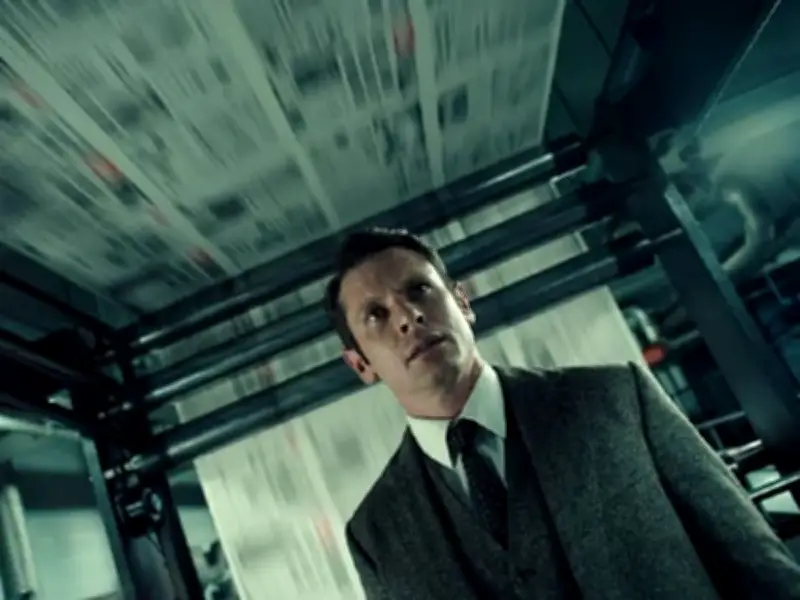
Beginning in 1969, Ink sees Murdoch (Guy Pearce) acquire The Sun and make Lamb his editor. The paper quickly morphs into a sensationalist tabloid that transforms modern media. While many assumed the film would focus on Murdoch, the bulk of the runtime explores Lamb's psyche.
Lamb's Relentless Ambition
Lamb, who died on May 19, 2000, aged 70, is initially reluctant to join Murdoch's venture as the northern editor of the Daily Mail in Manchester. Unable to resist the offer of a high wage and a Jaguar, he struggles with what kind of paper he wants The Sun to be. Boyle wisely doesn't make Lamb a caricature; he leaves his conscience at the door, wanting The Sun to become the biggest newspaper in the world.
Set up like a house of cards, Ink becomes the UK version of The Wolf of Wall Street, with giant parties in The Sun's office. Lamb uses a kidnapping to boost sales and debates whether to premiere the infamous Page Three photoshoots, stopping at nothing to make The Sun a success.
Supporting Cast and AI Controversy
Pearce as Murdoch appears every 15 minutes for intense verbal sparring with Lamb, making you believe why anyone would be hypnotised by his charm. Claire Foy is reliable as reporter Jules Davies, Lamb's mistress, though her character is put to the side as the film enters top gear. The Inbetweeners' Blake Harrison, Blue Moon's Patrick Kennedy, and Bad Sisters' Brian Gleeson bring laughs as Lamb's reporting team, though they lack agency.
Much of Ink's press tour has been dominated by talk of generative AI, including mice scurrying on the newsroom floor and animated photographs. One moment includes Margaret Thatcher, who recommended Lamb for knighthood in the Queen's 1980 Birthday Honours List. For a director who has shined a light on the working class, the use of AI is baffling, especially when 99% of voting Equity members voted to refuse digital scans on set without strict consent and fair compensation.
Despite the AI distraction, Ink is a triumph. Its closing moments leave you wondering if the darker sides of social media involving misogyny and hate could have been avoided if we weren't all desperate to know the ins and outs of everyone walking the planet. Ink is scheduled to be released in UK cinemas on January 8, 2027.