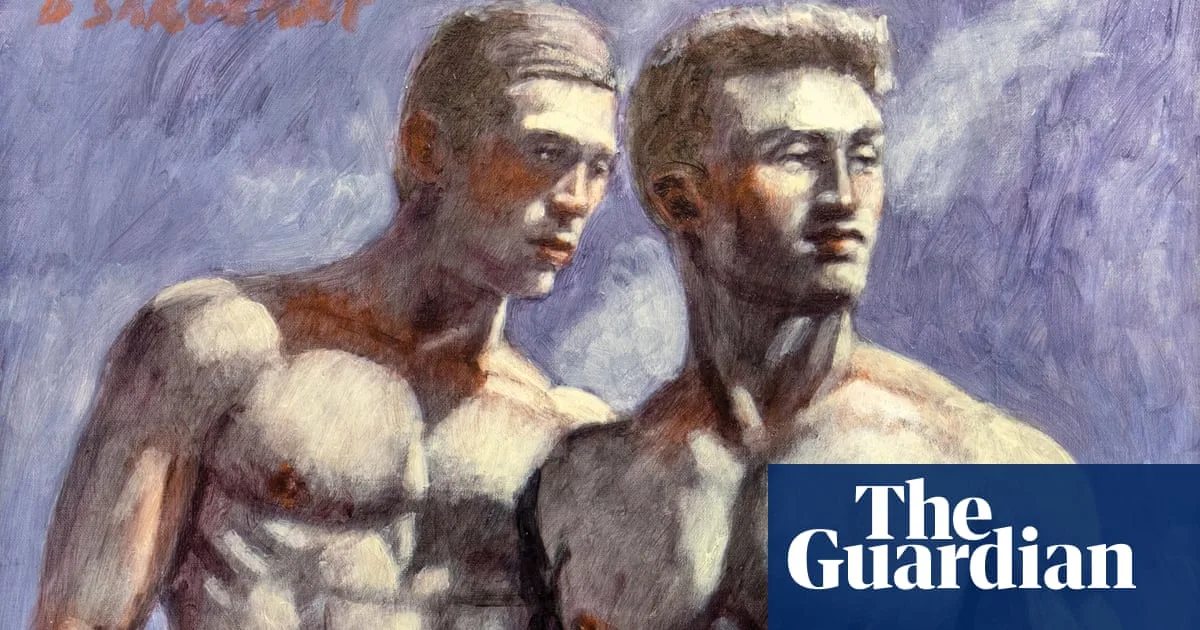
A new book, 'Fire Island Art: 100 Years', published by Monacelli, explores the central role of artists in the LGBTQ+ haven of Fire Island. Edited by John Dempsey, president of the Fire Island Pines Historical Society, the volume traces a century of creative output from the barrier island off Long Island, New York.
The book highlights how artists like Robert Mapplethorpe and Peter Hujar were shaped by the island's queer culture. It also features contemporary figures such as sculptor Leilah Babirye, who arrived from Uganda for a residency in 2015 and was struck by the openness of the community. The Fire Island Artist Residency, established in 2011, aims to make the enclave more accessible to LGBTQ+ artists.
Fire Island's artistic legacy began in the pre-war era with the collaborative PaJaMa group, including Paul Cadmus, Jared French, and Margaret French. By the 1960s, photographers like Peter Hujar and Paul Thek used the island's landscapes as backdrops for their work. Robert Mapplethorpe later immortalised the beauty he found in hidden spots like the Meat Rack.

The book also addresses the impact of the AIDS crisis, which devastated the community in the 1980s and 1990s. Artist AA Bronson developed 'hereditary rituals' involving ashes and performance to honour those lost. Additionally, the volume includes a chapter by historian Ksenia M Soboleva on the exclusion of women for most of the 20th century, noting that lesbian presence grew only after the AIDS crisis depressed the rental market.
Contemporary artists such as K8 Hardy and Nicole Eisenman contribute to the island's vibrant scene. A conversation between photographers Lola Flash and Pamela Sneed underscores the need to acknowledge Fire Island's full history, including its use as a site for slave auctions before becoming a queer mecca.