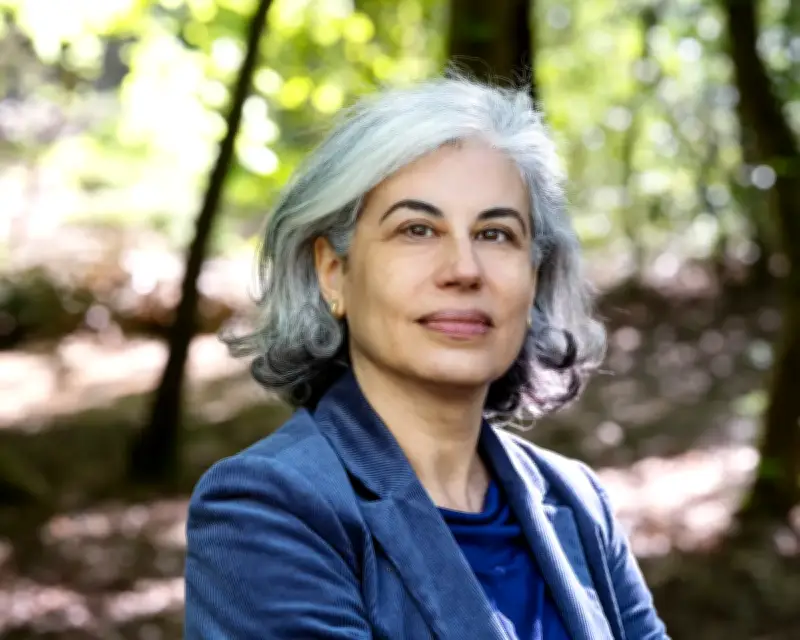
Natasha Walter’s new book, Feminism for a World on Fire, offers a refreshing and exhilarating call to rethink feminism in the face of climate breakdown and global injustice. The writer and activist argues for ecofeminism, solidarity, and sisterhood over the “glossy language of aspiration feminism” that dominated recent feminist discourse.
From aspiration to ecofeminism
In her 1998 debut, The New Feminism, Walter hailed Margaret Thatcher as a trailblazer. Now, in a fiercer and bleaker work, she criticises the message that “the individual woman can do anything she wants if she only has the necessary courage”. This kind of feminism, she argues, inspired an “explosion of books and films about pioneers and heroines, about bossy women and gutsy girls” that retold the feminist story as “a succession of isolated campaigns, led by outsize individuals”.
Instead, Walter champions narratives that “focus less on how I win on my own, and more on how we thrive together”. She founded the charity Women for Refugee Women in 2006 and directed it for 15 years, during which she heard women’s complaints about environmental degradation and their despair at the “heaps of toxic waste that had grown up behind their homes”.

Commodification and resistance
Walter also highlights how feminism has been commodified by companies like Missoni, which copied the pink pussy hats knitted for free by feminist protesters and sold them for £140 each. Dove, she notes, promised “real beauty” and inclusivity while producing billions of single-use plastic shampoo sachets that, according to Greenpeace, have clogged sewers and contributed to floods in places like the Philippines. Dove states it has made an “agenda-setting commitment to tackle the global beauty industry’s plastic waste issue”.
Some feminists who had supported the charity shifted their focus to British women, insisting they needed protection from migrants. Walter invokes indigenous scholar Yuria Celidwen’s belief that political journeys must start with grief. Yet she draws hope from Holly Archer (not her real name), a victim of grooming, gang-rape and abuse who set up a project in Shropshire supporting survivors and “refuses to let her story be exploited by those who would use it to drive hatred and division”.
Women on the front lines
Walter reminds readers that Margaret Atwood’s The Handmaid’s Tale begins with climate change, and that in real life women suffer first and most from environmental collapse. Rising sea levels in Bangladesh force women to travel miles further for fresh drinking water. In north-east Syria, the radical women of Rojava – who fought off Islamic State and resist authoritarianism from the new Syrian government as well as attacks from Turkey – struggle to feed their families due to water scarcity and food shortages, yet they are “building something new”.
Walter travelled there to interview them and found “the most determined feminists I have ever met”. One memorable moment comes in a conversation with Bahiya Mourad, who set up a mala jin, or women’s house, in 2011. For a while she and her comrades evaded authorities because they seemed like harmless old women, but when the government tried to close them down, they beat them off with sticks. Part of their work involves helping women who want to marry against their parents’ wishes, and, says Mourad, “often we end up dancing at their weddings”. In a book that can sometimes feel hopeless, it is a vital reminder that feminist joy is not about buying a £140 pink pussy hat, but about helping other women – and, maybe one day, celebrating with them when the seemingly impossible has been achieved.