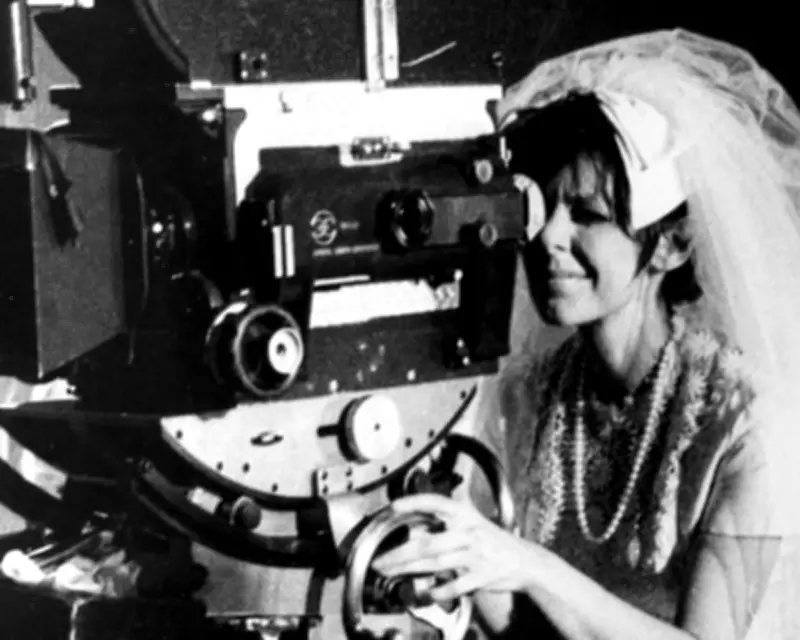
A new retrospective at Film at Lincoln Center is shining a spotlight on the genius of director Elaine May, whose career was marked by studio conflicts, gender bias, and a fiercely independent vision. May, who began as half of the iconic comedy duo Nichols and May, directed four films between 1971 and 1987, including the gangster drama Mikey and Nicky (1976) and the infamous flop Ishtar (1987). Despite being marginalized for her ambition, May’s work has gained a cult following and is now being reappraised as ahead of its time.
The Battle Over Mikey and Nicky
In 1975, after more than two years of editing Mikey and Nicky, Paramount Pictures and CEO Barry Diller lost patience. To retain control, May sold the film to Alyce Films, a phony production company reportedly set up by May, star Peter Falk, and co-conspirators. The sale was halted, and a judge ordered May to deliver the film to Paramount. She complied, except for two essential reels that went missing until the studio agreed to let her supervise the final cut. The film, set in Philadelphia’s flophouse hotels and diners, follows two gangsters: Nicky (John Cassavetes), on the run for robbing his boss, and Mikey (Falk), torn between hiding his friend or betraying him. Their relationship—full of love and small betrayals—is considered one of cinema’s most beautiful and bleak portrayals of male friendship.
Initial Reception and Reappraisal
Upon its release in winter 1976, Mikey and Nicky met unfavorable reviews. Audiences expecting a comedy from the director of A New Leaf (1971) and The Heartbreak Kid (1972) were perplexed by its dark tone. “The audience came in looking for a comedy, and it had some funny moments, but it turned tough pretty quick,” said Julian Schlossberg, May’s close friend and then-vice president of worldwide acquisition at Paramount. “They thought they’d been suckered. There were a lot of walkouts.” May, however, was moving into new territory and had even voiced concern early in production that the film was too funny. The film had deeply personal roots: May grew up in Chicago with gangster neighbors. “I know these people. They’re real people,” she said in 2024.

Gender Bias in Hollywood
While male directors like Stanley Kubrick and Francis Ford Coppola were celebrated for going over schedule and budget, May paid a steeper price. “Certainly, as a woman in the seventies, she was forging new streams,” said Schlossberg. “A guy can do what she does, and he’d be considered strong, and then she does it, and she’s considered difficult. It is quite a difference.” May, who has shirked the gender issue, excelled at acting, writing, and directing—a rare triple threat in film history.
The Ishtar Flop and Legacy
In 1987, May directed Ishtar, a buddy comedy about US meddling in the Middle East. The film lost an estimated $40 million and effectively ended her directing career. During production, she feuded with producer-star Warren Beatty, his girlfriend Isabelle Adjani, and studio heads. Despite this, Ishtar has been reappraised by audiences and will screen at the Lincoln Center retrospective. May’s influence endures: fans include Lena Dunham, Martin Scorsese, Greta Gerwig, and the Safdie brothers. “May is a major artist who, it seems to me, is becoming more appreciated as time goes on,” said Daniel Sullivan, a programmer for the retrospective. The series runs from 26 June to 2 July.