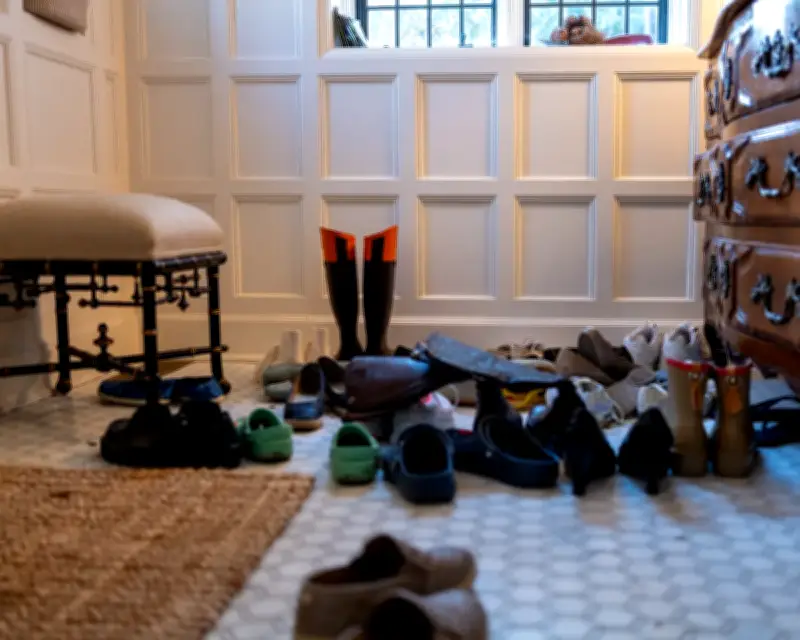
A growing number of homeowners are creating dedicated 'dirty zones' in their properties, intentionally setting aside areas where mess is not just tolerated but encouraged. The concept, which has gained traction on social media, involves designating a specific corner or room where everyday clutter, laundry, or half-finished projects can accumulate without judgment.
What Is a Dirty Zone?
The idea is simple: instead of striving for a perpetually tidy home, individuals are carving out a space where they can let go of the pressure to keep everything pristine. This zone can be as small as a cupboard or as large as a spare bedroom, and is often styled with practical storage solutions like baskets, hooks, and shelves to accommodate the mess.
Proponents argue that having a designated messy area reduces stress and allows the rest of the home to remain orderly. It also encourages a more realistic approach to housekeeping, acknowledging that not every surface needs to be spotless at all times.

The Rise of Mess Acceptance
The trend reflects a broader cultural shift towards accepting imperfection in home life. Social media influencers and interior designers are showcasing their own dirty zones, often with humorous captions, helping to normalise the practice.
While some may see it as an excuse for laziness, advocates say it is a practical solution for busy households. By containing the chaos to one defined area, the rest of the living space can be enjoyed without constant tidying.
The dirty zone is not about abandoning cleanliness but about making a conscious choice to prioritise time and mental wellbeing over perfection. As the concept spreads, it is likely to become a staple in modern home design discussions.