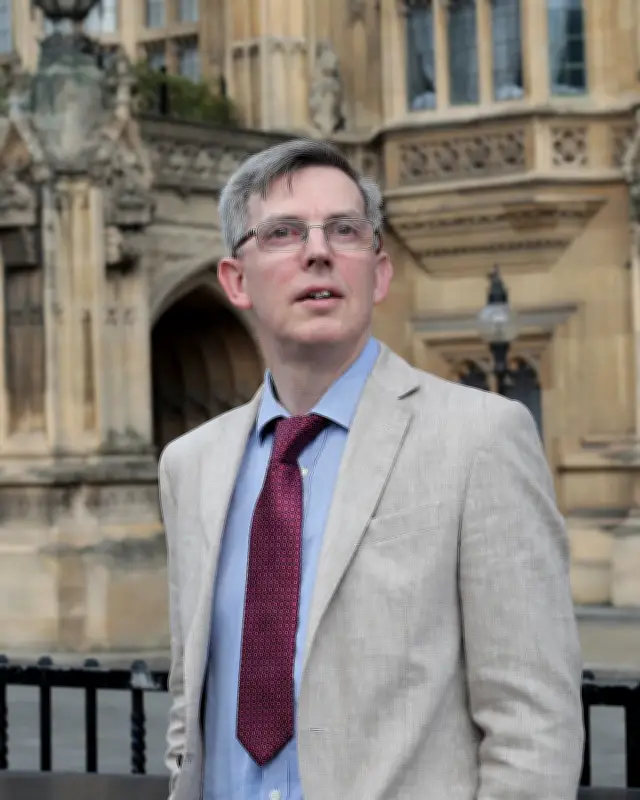
Andrew Sparrow, the Guardian's daily political liveblogger, has been chronicling the twists and turns of British politics for over 15 years. In a recent interview, he opened up about the challenges of covering a seemingly endless cycle of crises and psychodramas, from the Iraq war inquiry to the latest release of the Mandelson files.
The Mandelson Files: A Liveblogger's Dream
On Monday at 14:12 BST, Sparrow posted a brief update announcing the publication of the Mandelson files, a massive government document dump containing over 1,000 documents related to Peter Mandelson's failed appointment as UK ambassador to Washington. The files included emails, memos, handwritten notes, and WhatsApp messages, making the live blog the perfect format for dissecting the revelations in real time.
Sparrow's experience with the Iraq war inquiry in 2009, which involved an even larger document release, prepared him for this moment. In his opening post, he noted that while many despair at the quality of governance, there is a golden age for those interested in contemporary history, as unprecedented access to government information is now possible. He contrasted the formal memos of the Chilcot inquiry with the personal WhatsApp messages, which feel like eavesdropping on private conversations.
Navigating the Psychodrama
When asked how he avoids becoming desensitized to the constant drama, Sparrow admitted that professionally, the crises have been exciting, with never a dull moment. However, as a citizen, he acknowledges the feeling that the country is "going to hell in a handcart." He struggles with the tension between personality-driven stories and substantive policy issues, noting that while readers are intensely interested in micro-dramas, journalism should also explain the broader consequences of government decisions.
Sparrow's routine is demanding: he rarely takes lunch or leaves his desk during the day, preferring to stay on top of multiple news threads. But unlike other Westminster journalists, he doesn't face the stress of being scooped or called late at night, making his stress manageable in its own way.
From Print to Digital
Before liveblogging, Sparrow was a lobby correspondent for print newspapers. He joined the Guardian's online operation when web journalism was still considered secondary. He started the politics live blog in 2010, initially as a way to cover the Iraq war inquiry, which offered rich material that couldn't be captured in a single 600-word story. The format allowed him to flag documents, highlight key quotes, and provide quick explanations.
The shift to digital also exposed him to reader scrutiny on social media and through comments, which he finds useful but challenging. He noted a change starting with the Scottish independence referendum, when online engagement became more populist and hostile, a trend that intensified with Brexit.
Liveblog vs. 24-Hour News
Sparrow sees his blog as creating a searchable archive of political events, unlike rolling TV news that repeats itself and disappears. He tries to emulate broadcast news by bringing in diverse voices, though this has become harder since Elon Musk's takeover of Twitter, which previously provided a rich source of commentary. He now turns to platforms like Bluesky and encourages reader comments below the line.
Despite the challenges, Sparrow remains committed to the format, which he believes serves a unique function in putting political events on the record in a way that is accessible and enduring.