An entrancing exhibition at the Toledo Museum of Art delves into the profound role of magic in ancient societies, showcasing how spells and enchanted objects were employed to navigate life's challenges. Titled "Cursed! The Power of Magic in the Ancient World," this display offers a comprehensive exploration of magical practices across Mesopotamia, Egypt, Greece, and Rome, highlighting humanity's enduring desire to exert control over their surroundings.
The Universal Appeal of Magic
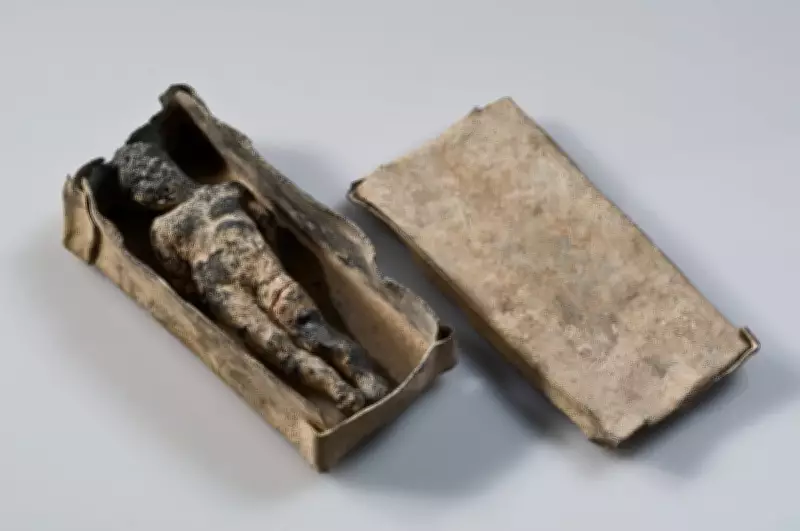
Dr Jeffrey Spier, the show's curator and a former senior curator at the J Paul Getty Museum, emphasizes that magic is a fundamental aspect of human culture. "Magic is in all societies; it's a very basic human desire to want to have some control over your world," he explains. "There's always been a desire to use some hidden power to get what you need." This exhibition features a range of artifacts, including amulets, figurines, and inscribed gemstones, which were believed to wield magical effects in everyday scenarios.
Practical Applications in Daily Life
In ancient times, magic served highly practical purposes. One common spell was designed to undermine opponents in lawsuits, providing psychological relief during stressful legal battles. "The stress must have been terrible, so you'd go to a magician and say, 'I need to survive this lawsuit,'" notes Spier. Additionally, spells to protect newborns from demons like Lamashtu were extremely popular, reflecting concerns over high child mortality rates. These protective measures often invoked other entities, such as the demon Pazuzu, for safeguarding.

Love Spells and Coercive Practices
Love spells from these eras reveal a darker side of magical use, often bordering on coercion. "These spells were to force you; they're not Valentines. They're very coercive," Spier states. In ancient Greece, for instance, individuals might hire magicians to summon spirits of the dead to compel romantic attention, practices that are described as horrifying upon closer examination.
Accessibility and Cultural Spread
Hiring a magician was as straightforward as visiting a local marketplace or, in Greece, encountering door-to-door practitioners referred to derogatorily by Plato as "beggar priests." Magic also transcended social boundaries, becoming a fashion trend in Rome with enchanted gemstones worn as pendants, particularly by young women seeking empowerment. "They took off across the whole Roman empire," Spier observes, noting recent discoveries in Bulgaria that illustrate their widespread appeal.
Statecraft and Societal Roles
While magic was often utilized by marginalized groups, it also played a role in state affairs. In Mesopotamia and Egypt, state priests created figurines of foreign enemies to be destroyed, aiding in military conquests. Exorcists were summoned to combat epidemics, showcasing magic's integration into governance. However, in ancient Greece, leaders like Pericles viewed magical practices with stigma, resorting to amulets only in desperate times, such as during the plague of the Peloponnesian war.
Historical Transmission and Modern Echoes
The exhibition traces how magical knowledge spread through trade and conquest, notably after Alexander the Great's campaigns, which fostered cultural exchanges across regions. "Everything changes after Alexander the Great," Spier explains, highlighting the blending of Egyptian, Babylonian, Greek, and other traditions. This transmission continued through Christian, medieval, and modern eras, with a decline only in the last century.
Today, remnants of ancient magic persist in practices like using crystals, copper bracelets, or magnets. "We're still very much in this tradition," Spier remarks, encouraging visitors to reflect on contemporary habits through a historical lens. "Cursed!" invites audiences to recognize the long lineage of magical items that continue to permeate society, offering a unique perspective on our ongoing fascination with the supernatural.
The exhibition runs at the Toledo Museum of Art in Ohio until July 5, providing an immersive journey into the ancient world's mystical endeavors.